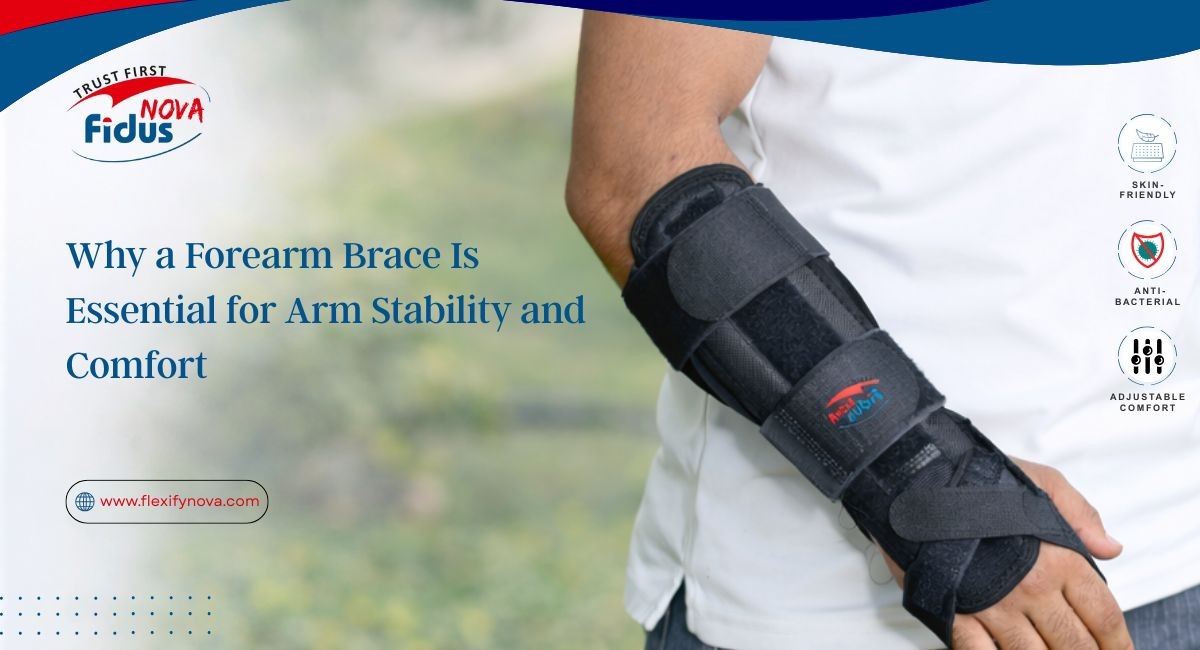
Elbow discomfort is no longer limited to athletes alone. From office professionals and factory workers to homemakers and fitness enthusiasts, elbow pain has become a common concern due to repetitive movements, poor posture, heavy lifting, and overuse. Whether you are recovering from an injury or looking to prevent one, choosing the right elbow support can significantly improve comfort, mobility, and performance. This comprehensive guide will help you understand how to choose the best elbow support for sports, work, and everyday activities.
Why Elbow Support Is Important
The elbow joint plays a crucial role in nearly every upper-body movement. It connects the upper arm to the forearm and allows bending, lifting, gripping, and rotating motions. Because of its constant use, the elbow is prone to strain and injury. Conditions such as tennis elbow, golfer’s elbow, tendonitis, arthritis, and general joint inflammation can develop over time if the elbow is not properly supported.
Elbow support helps by stabilising the joint, reducing stress on tendons and muscles, improving blood circulation, and minimising pain. It also provides compression, which can reduce swelling and promote faster recovery. For many people, elbow support is a simple yet effective solution to maintain joint health and prevent long-term damage.
Understanding Different Types of Elbow Support
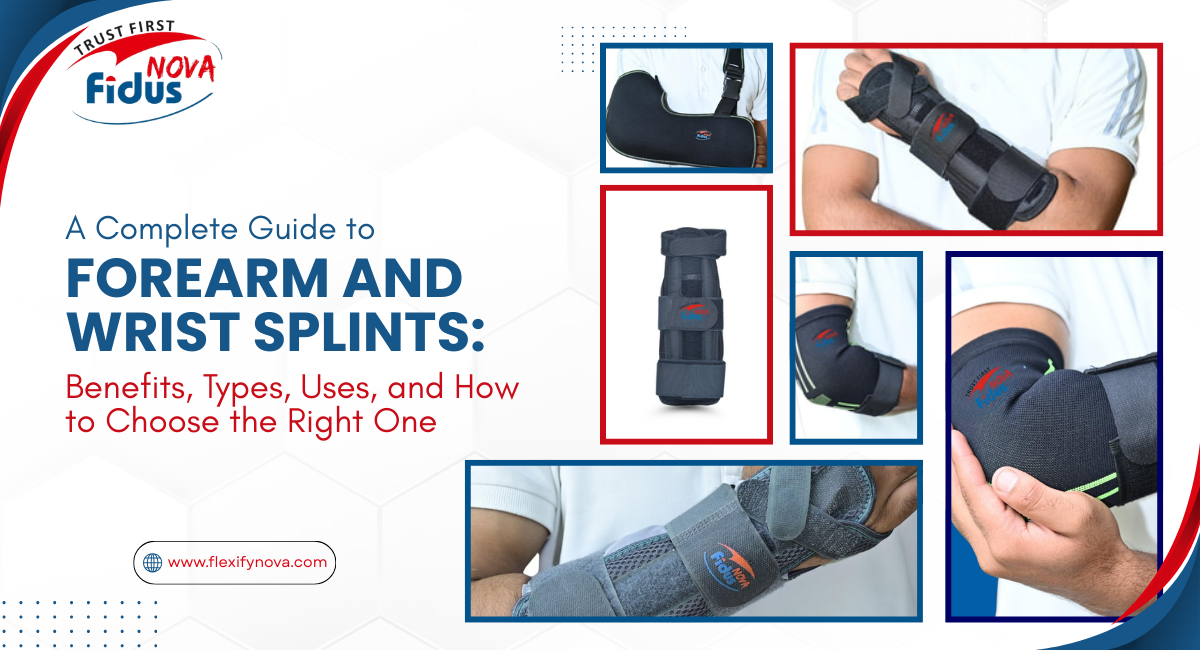
Before choosing the best elbow support, it is important to understand the different options available. Each type is designed for specific needs and levels of activity.
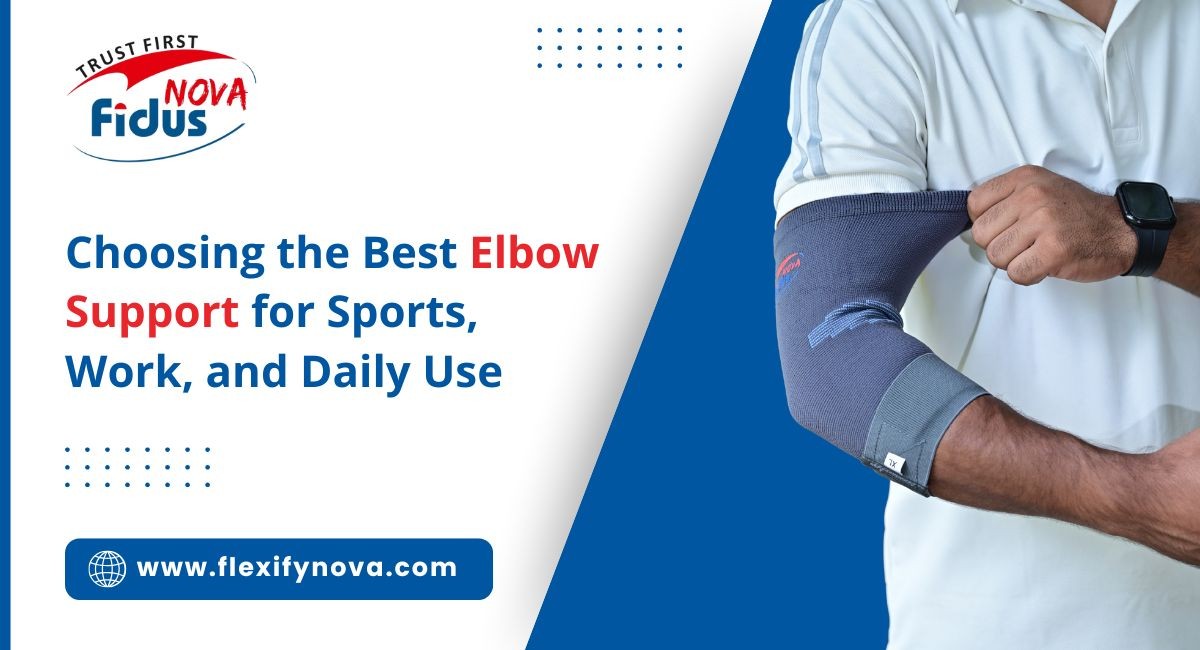
Compression Elbow Sleeves
Compression sleeves are among the most popular and versatile elbow supports. They are lightweight, flexible, and easy to wear. These sleeves provide uniform compression around the elbow joint, helping to reduce inflammation and improve blood flow.
They are ideal for daily use, light workouts, and preventive care. Compression sleeves are also suitable for people who experience mild pain or stiffness during routine activities.
Elbow Braces with Straps
Elbow braces are more structured than compression sleeves and often feature adjustable straps or pads. These braces provide targeted pressure to specific areas, making them particularly effective for conditions like tennis elbow and golfer’s elbow.
Athletes involved in racquet sports, weight training, or throwing sports often benefit from elbow braces because they reduce strain on tendons while allowing controlled movement.
Neoprene Elbow Supports
Neoprene elbow supports are designed to retain heat and provide moderate compression. The warmth helps relax muscles and soothe joint stiffness, making them suitable for people with arthritis or chronic elbow pain.
These supports are commonly used during colder weather or for recovery after physical activity.
Hinged and Rigid Elbow Supports
Hinged or rigid elbow supports are typically used for serious injuries or post-surgery recovery. They limit excessive movement while still allowing controlled motion. These supports should generally be used under medical supervision and are not intended for everyday or sports use unless recommended by a professional.
Choosing Elbow Support for Sports Activities
Sports place high physical demands on the elbow joint. Repetitive swings, throws, lifts, and impacts can quickly lead to strain if the elbow is not properly protected.
When selecting elbow support for sports, consider the following factors:
Level of compression: Sports activities often require firm compression to stabilise the joint.
Flexibility: The support should allow natural movement without restricting performance.
Breathability: Moisture-wicking materials prevent sweat buildup during intense activity.
Secure fit: A snug fit ensures the support stays in place during movement.
For racquet sports like tennis or badminton, elbow braces with targeted straps are highly effective. Weightlifters and gym enthusiasts usually prefer compression sleeves that provide support without limiting the range of motion. For contact sports, padded elbow supports offer additional protection against impact.
Selecting Elbow Support for Work Use
Work-related elbow pain is increasingly common, especially in jobs that involve repetitive motion, prolonged desk work, or physical labour. Office workers may experience elbow strain from constant typing and mouse use, while manual labourers face stress from lifting and repetitive tasks.
For work environments, comfort and wearability are key. The ideal elbow support for work should:
Be lightweight for all-day use
Provide moderate compression
Fit comfortably under clothing
Allow a full range of motion
Compression sleeves are often the best choice for office and light-duty work, as they offer subtle support without discomfort. For physically demanding jobs, reinforced elbow braces provide added stability and protection against strain.
Elbow Support for Daily Use and Lifestyle Activities
Daily activities such as cooking, cleaning, driving, and even using smartphones can put strain on the elbow joint over time. For everyday use, elbow support should feel natural and unobtrusive.
Compression sleeves are perfect for daily wear because they are easy to put on and remove. They help manage mild pain, reduce fatigue, and prevent discomfort from worsening. Elderly individuals and those with joint stiffness often find relief from elbow supports that provide gentle compression and warmth.
Material and Design Considerations
The effectiveness of elbow support largely depends on its material and design. Breathable fabrics such as nylon, spandex, and polyester blends help keep the skin dry and comfortable. Moisture-wicking materials are especially important for sports and long working hours.
Seamless designs reduce friction and irritation, making them suitable for extended wear. Adjustable straps allow customisation and ensure a secure fit. Always avoid supports that feel excessively tight, as they can restrict blood flow and cause discomfort.
Finding the Right Size and Fit
Proper sizing is essential for effective elbow support. A poorly fitted support will not provide adequate benefits and may even worsen discomfort.
Most elbow supports come with size charts based on arm circumference. Measure your elbow accurately and follow the manufacturer’s guidelines. If you are between sizes, choose based on your intended use—snug for sports and slightly relaxed for daily wear.
When to Use Elbow Support and When Not To
Elbow support is highly beneficial for pain relief, injury prevention, and recovery, but it is not a substitute for medical treatment. If you experience severe pain, swelling, numbness, or limited mobility, consult a healthcare professional before using elbow support.
Overusing elbow support without strengthening exercises can weaken surrounding muscles. It is best to use elbow support alongside proper stretching, strengthening routines, and ergonomic practices.
Maintenance and Care Tips
Proper care extends the lifespan of your elbow support and ensures hygiene. Wash it regularly using mild detergent and cold water. Avoid excessive heat and air-dry whenever possible. Keeping the support clean helps maintain elasticity and prevents odour buildup.
Final Thoughts
Choosing the best elbow support for sports, work, and daily use depends on your activity level, comfort needs, and the type of support required. From lightweight compression sleeves to structured braces, the right elbow support can reduce pain, enhance performance, and protect your joint from long-term damage.
By investing in a high-quality elbow support with the right fit and material, you can stay active, productive, and comfortable in every aspect of your life. Whether you are an athlete pushing your limits, a professional working long hours, or someone managing daily joint discomfort, the right elbow support can make all the difference.