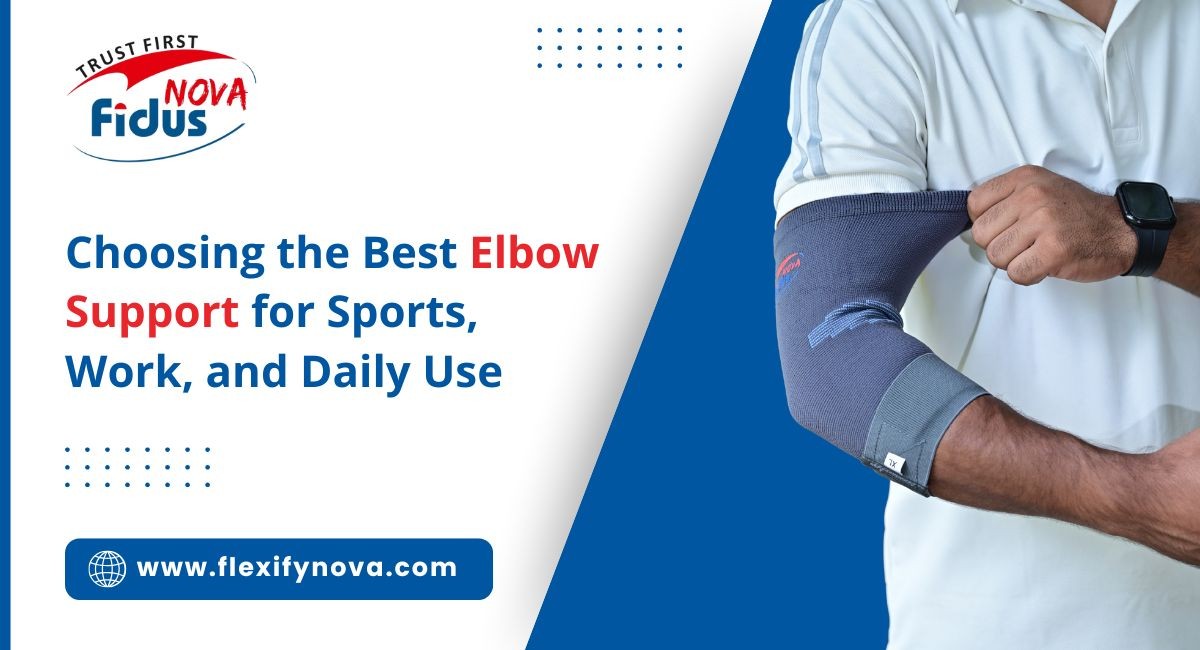
In today’s fast-paced lifestyle, our arms work harder than we realize. From typing on keyboards and scrolling on smartphones to lifting weights, carrying groceries, and performing repetitive tasks at work, the forearm is constantly under strain. Over time, this repeated use can lead to discomfort, pain, and even long-term injuries. This is where a forearm brace becomes not just helpful, but essential. Designed to provide targeted support, a forearm brace plays a crucial role in improving arm stability and enhancing overall comfort during daily activities.
Understanding the Forearm and Common Issues
The forearm consists of muscles, tendons, and ligaments that connect the elbow to the wrist. These structures are responsible for movements such as gripping, lifting, twisting, and rotating the wrist. Because of this complexity, the forearm is particularly vulnerable to overuse injuries.
Common forearm-related conditions include muscle strain, tendonitis, tennis elbow, golfer’s elbow, repetitive strain injury (RSI), and general muscle fatigue. Without proper care and support, these issues can worsen, leading to chronic pain and reduced mobility. A forearm brace helps stabilise the affected area and reduces stress on the muscles and tendons.
What Is a Forearm Brace?
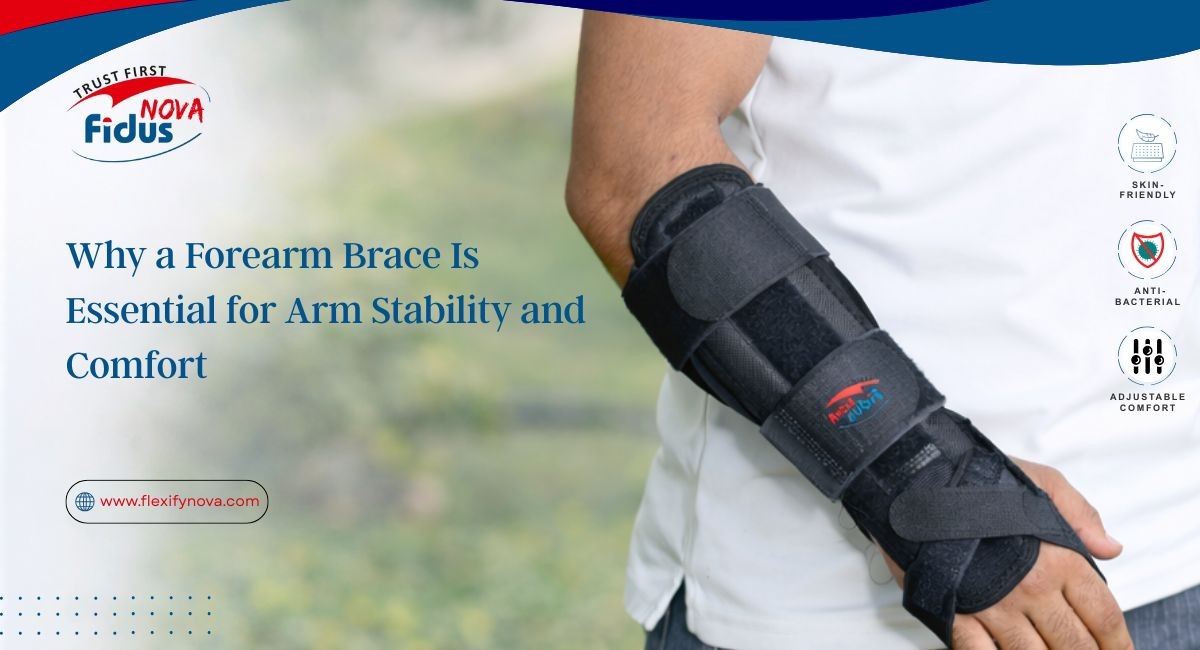
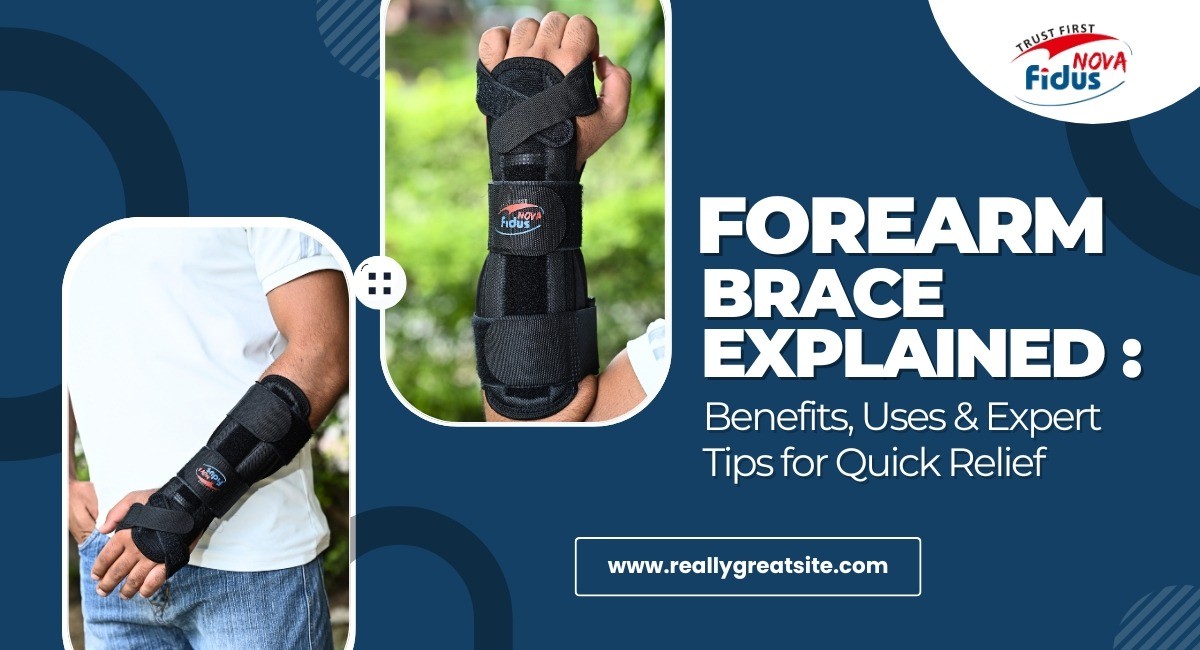
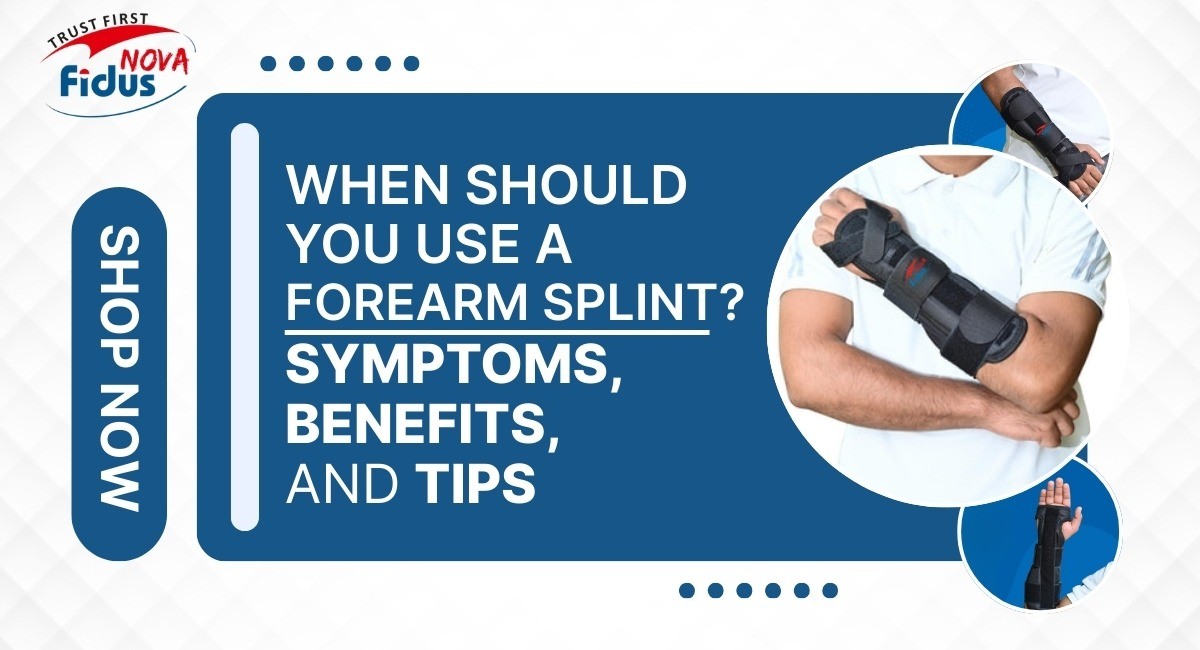
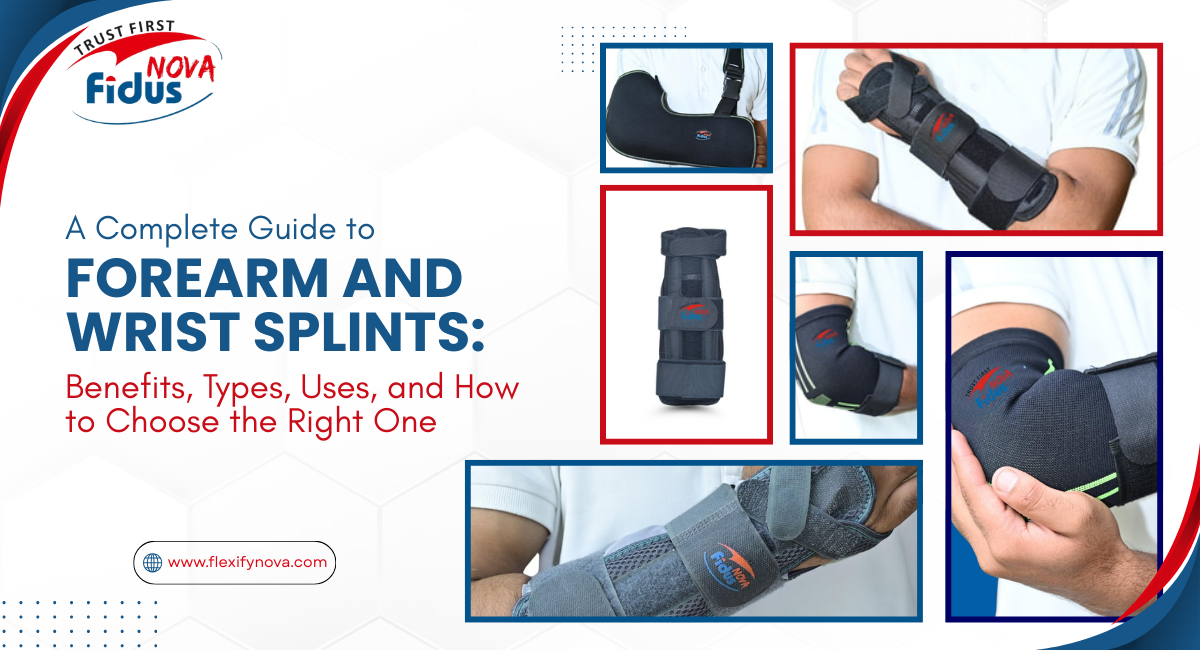
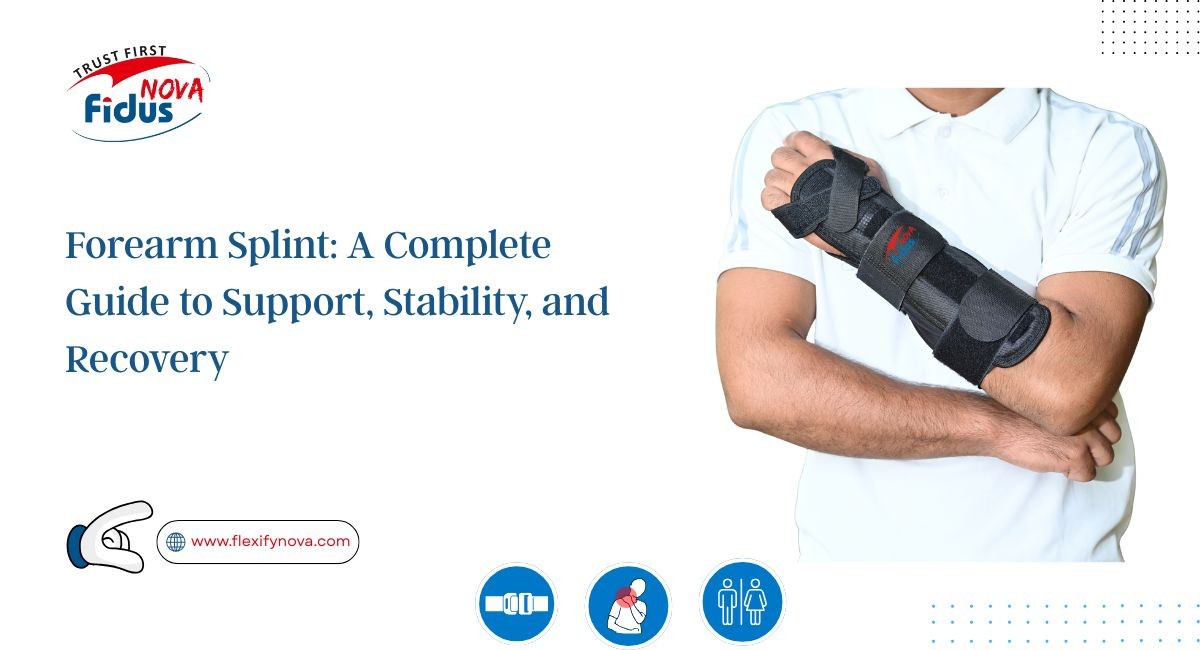
A forearm brace is a supportive accessory worn around the forearm to provide compression, stability, and protection. It is typically made from elastic, neoprene, or breathable fabric materials that offer a snug yet comfortable fit. Some braces come with adjustable straps to customise compression levels, while others are designed for all-day wear.
Unlike bulky casts or rigid supports, a forearm brace allows controlled movement while still protecting the arm. This balance between mobility and support makes it ideal for both injury recovery and injury prevention.
How a Forearm Brace Enhances Arm Stability
Arm stability is essential for performing everyday tasks efficiently and safely. When the forearm muscles are weakened or injured, even simple actions like lifting a cup or typing can feel uncomfortable. A forearm brace enhances stability in several key ways:
1. Targeted Compression
Compression helps improve blood circulation in the forearm muscles. Better blood flow supports muscle function and reduces inflammation, allowing the arm to feel more stable during movement.
2. Reduced Muscle Vibration
During physical activities or repetitive tasks, muscles experience micro-movements that can increase fatigue. A forearm brace minimises unnecessary muscle vibration, helping the arm remain steady and controlled.
3. Support for Tendons and Ligaments
By gently holding tendons and ligaments in proper alignment, a forearm brace reduces the risk of overstretching or sudden strain. This is particularly important for people recovering from injuries.
4. Improved Confidence in Movement
When your arm feels supported, you naturally move with more confidence. This psychological benefit can significantly improve performance, whether you’re working, exercising, or playing sports.
The Role of a Forearm Brace in Comfort
Comfort is just as important as stability. Pain and discomfort can interfere with productivity, sleep, and overall quality of life. A forearm brace contributes to comfort in several important ways:
1. Pain Relief
By distributing pressure evenly across the forearm, a brace helps reduce localised pain. This is especially beneficial for conditions like tendonitis or muscle soreness.
2. Reduced Swelling
Compression helps control swelling by preventing fluid buildup in the tissues. Less swelling means less stiffness and greater comfort throughout the day.
3. All-Day Wearability
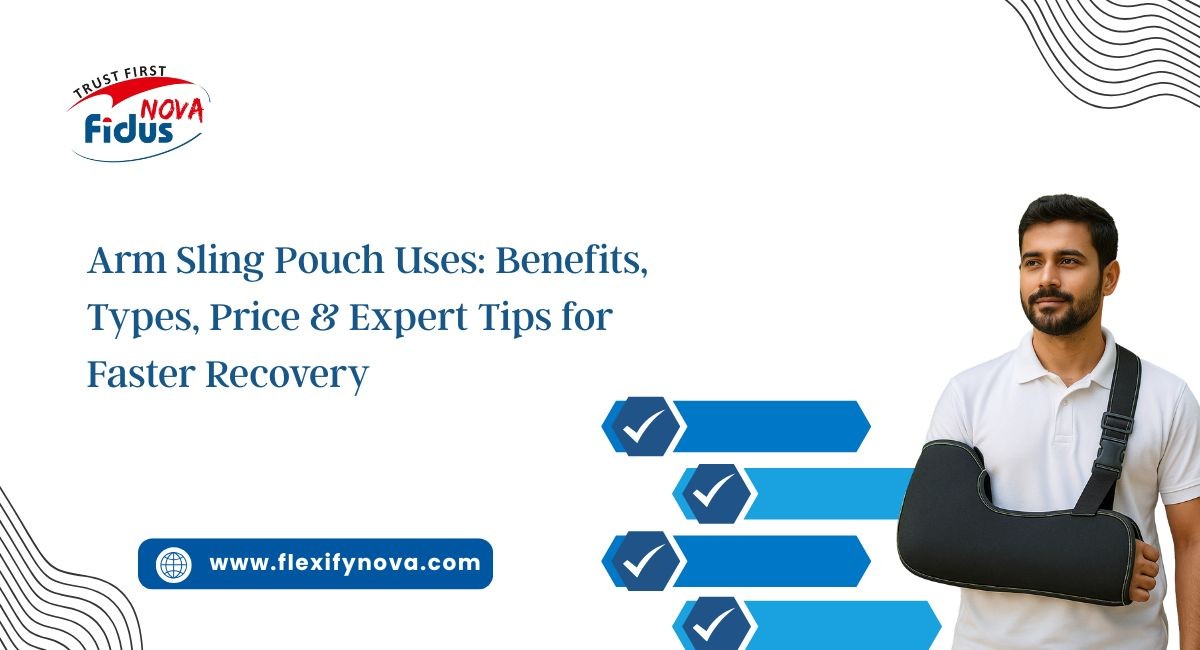
Modern Pouch Arm Sling are designed with breathable materials that prevent excessive sweating and irritation. This allows for extended wear without discomfort.
4. Support Without Restriction
Unlike rigid medical supports, a forearm brace provides comfort without completely restricting movement. This makes it suitable for daily use, whether at work or at home.
Benefits of Using a Forearm Brace in Daily Life
A forearm brace is not just for athletes or people recovering from injuries. It offers practical benefits for a wide range of individuals:
For Office Workers
Repetitive movements such as typing and mouse usage can strain forearm muscles. A brace helps maintain proper muscle alignment and reduces fatigue during long work hours.
For Manual Labourers
Jobs involving lifting, gripping tools, or repetitive hand movements place significant stress on the forearm. A forearm brace provides added support, reducing the risk of overuse injuries.
For Athletes and Fitness Enthusiasts
Whether playing tennis, badminton, cricket, or lifting weights, athletes rely heavily on forearm strength. A brace improves stability and helps prevent injuries caused by repetitive motion.
For Elderly Individuals
As muscles weaken with age, forearm support becomes increasingly important. A forearm brace can improve comfort and confidence during daily tasks.
Injury Prevention and Faster Recovery
One of the most important reasons a forearm brace is essential is its role in injury prevention and recovery. Stabilising the arm and reducing strain helps prevent minor discomfort from turning into serious injuries. For those already dealing with pain or strain, a brace supports the healing process by limiting excessive movement and promoting proper muscle function.
Using a forearm brace as part of a recovery plan can also reduce the need for pain medication and shorten recovery time when combined with rest and proper care.
Choosing the Right Forearm Brace
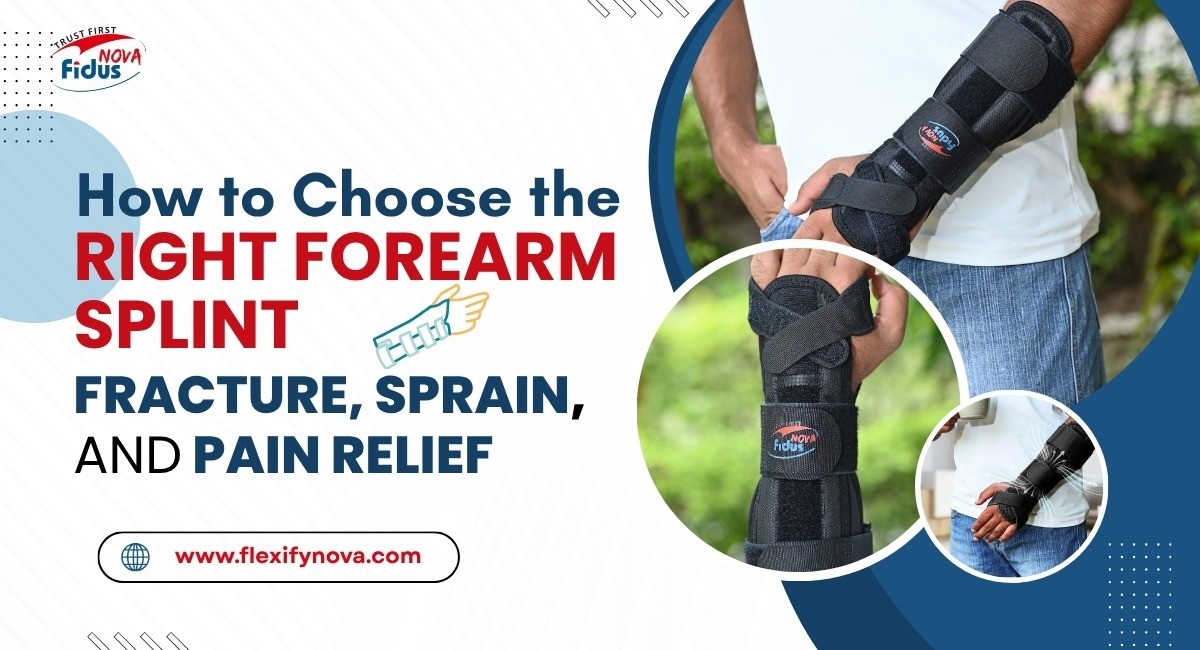
To get the maximum benefit, it’s important to choose the right forearm brace. Look for features such as adjustable compression, breathable material, and a secure yet comfortable fit. The brace should feel supportive without being too tight or restrictive.
Consider your primary need—whether it’s pain relief, injury prevention, or enhanced performance—and select a brace designed for that purpose.
When and How to Wear a Forearm Brace
A forearm brace can be worn during activities that put strain on the arm or throughout the day if discomfort persists. It’s best to wear it during work, exercise, or tasks that require repetitive movement. However, it’s also important to allow the arm some rest time without the brace to maintain natural muscle strength.
Conclusion
A forearm brace is a simple yet powerful solution for improving arm stability and comfort. By providing targeted support, reducing pain, and enhancing confidence in movement, it plays an essential role in maintaining forearm health. Whether you’re dealing with an existing injury, looking to prevent future strain, or simply seeking more comfort during daily activities, a forearm brace can make a noticeable difference.
Incorporating a forearm brace into your routine is a proactive step toward better arm care, improved performance, and a more comfortable, pain-free lifestyle.