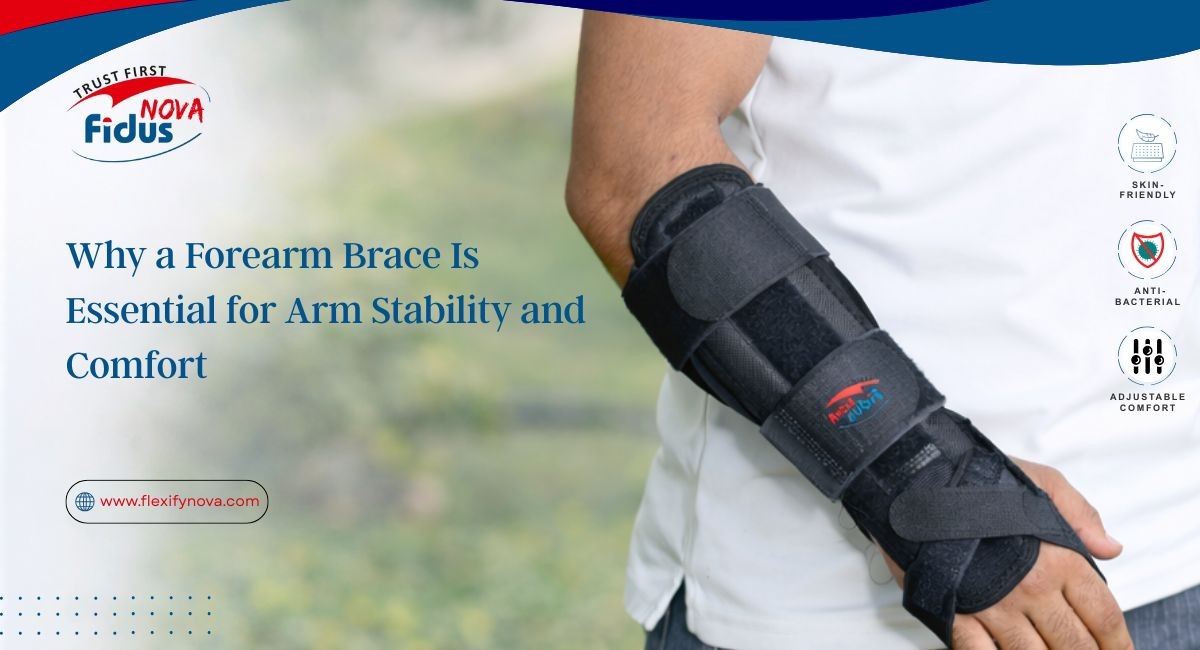
Injuries, repetitive strain, and medical conditions affecting the arm can significantly disrupt daily life. Whether it’s pain while typing, difficulty lifting objects, or discomfort after an injury, proper support is essential for healing and prevention. One of the most effective orthopaedic aids for arm-related issues is the forearm splint. Designed to provide stability, reduce pain, and promote recovery, a forearm splint plays a vital role in both medical treatment and everyday support.
This complete guide explores what a forearm splint is, how it works, its benefits, types, uses, and tips for choosing and wearing the right one.
What Is a Forearm Splint?
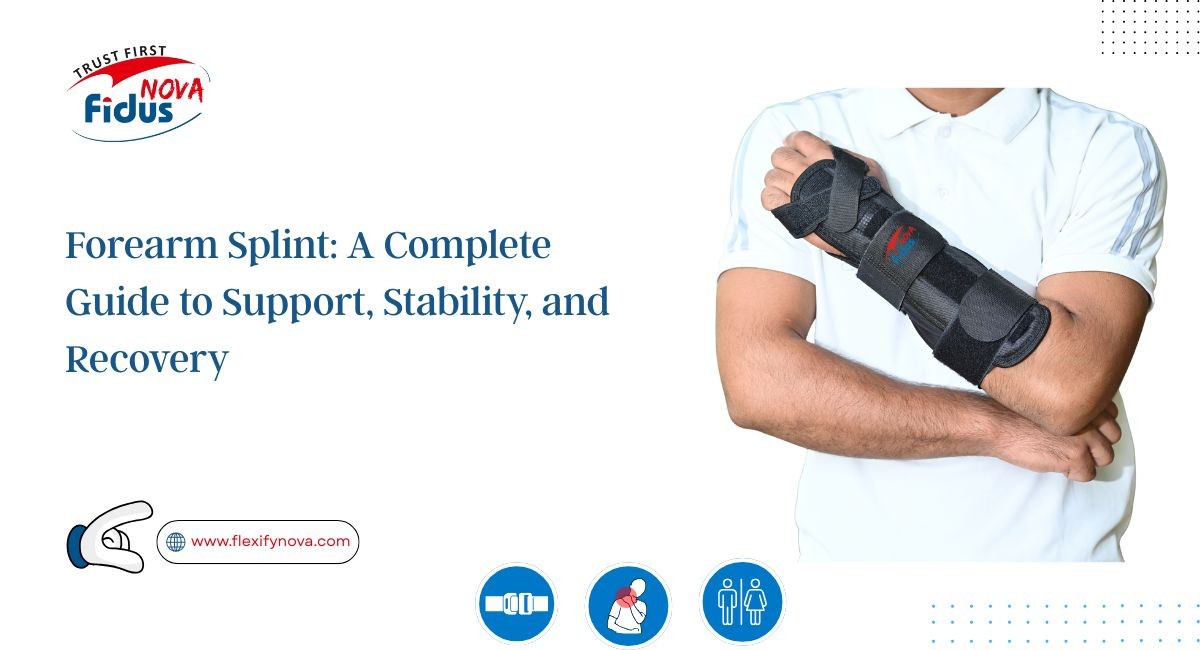
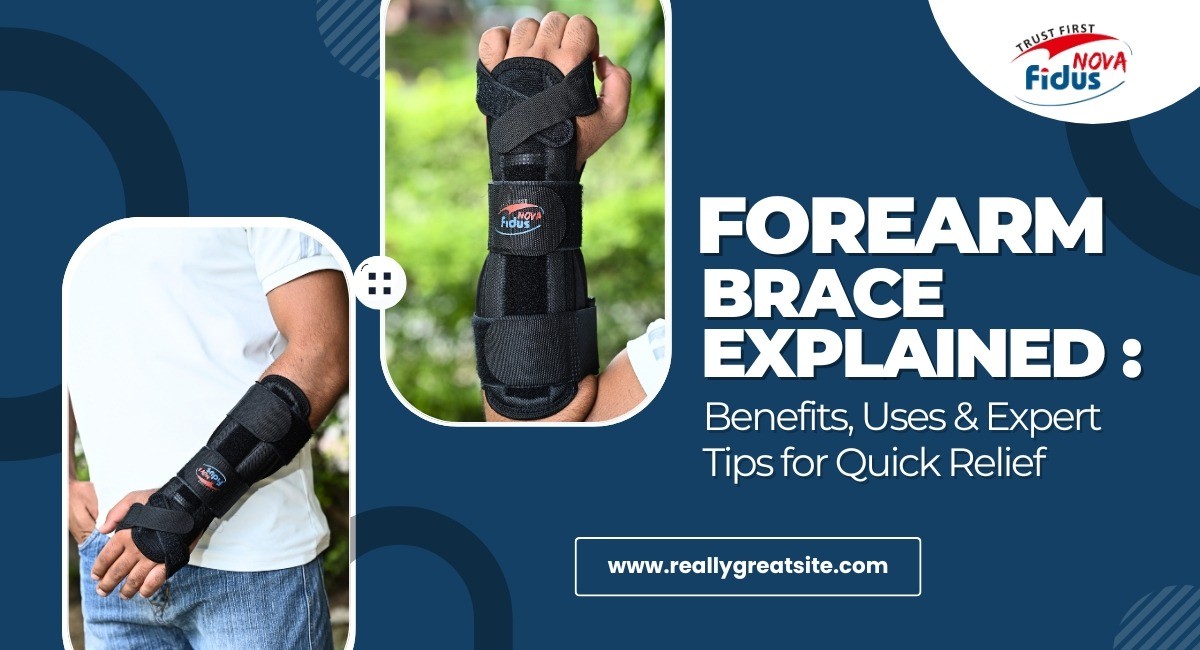
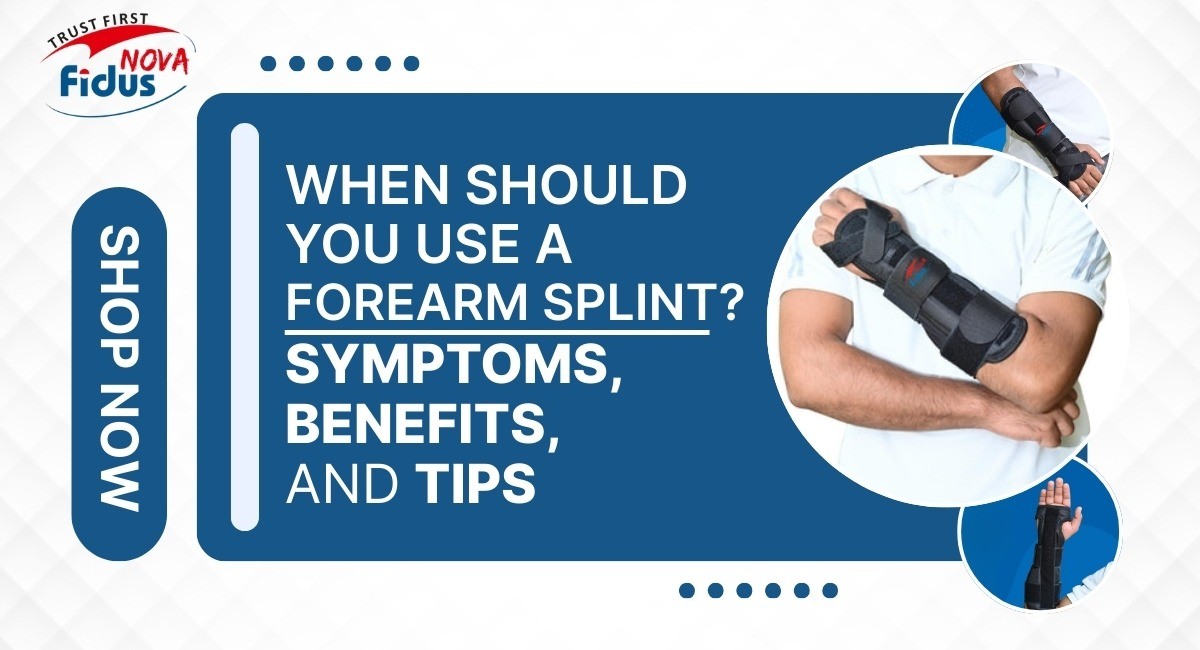
A forearm splint is a supportive medical device designed to stabilise the forearm, wrist, or elbow by limiting movement and reducing strain on muscles, tendons, and joints. Unlike casts, splints are often adjustable and removable, making them more comfortable for long-term use and daily activities.
Forearm splints are commonly recommended for injuries, post-surgical recovery, repetitive stress conditions, and chronic pain management. They are widely used by athletes, office workers, manual labourers, and individuals recovering from trauma.
Why Forearm Support Is Important
The forearm is a complex structure made up of muscles, bones, tendons, and nerves that work together to support hand and wrist movement. Overuse, injury, or inflammation in this area can lead to pain, weakness, and limited mobility.
A forearm splint helps by:
Reducing excessive movement
Providing structural stability
Supporting proper alignment
Minimising pressure on injured tissues
By immobilising or supporting the affected area, a forearm splint allows the body to heal naturally while preventing further damage.
Common Conditions That Require a Forearm Splint
Forearm splints are used for a wide range of medical and physical conditions, including:
1. Tendonitis and Repetitive Strain Injuries
Activities like typing, lifting, sports, or repetitive hand movements can cause inflammation in tendons. A forearm splint reduces strain and allows the tendons to rest.
2. Fractures and Sprains
In cases of minor fractures or sprains, a splint provides stabilisation without the rigidity of a full cast.
3. Carpal Tunnel Syndrome
While commonly associated with wrist braces, forearm splints can also help by reducing pressure along the arm and supporting nerve alignment.
4. Post-Surgical Recovery
Doctors often recommend forearm splints after surgery to protect the area and ensure controlled movement during healing.
5. Sports Injuries
Athletes use forearm splints for protection and recovery from impact injuries, muscle strain, or overuse.
Types of Forearm Splints
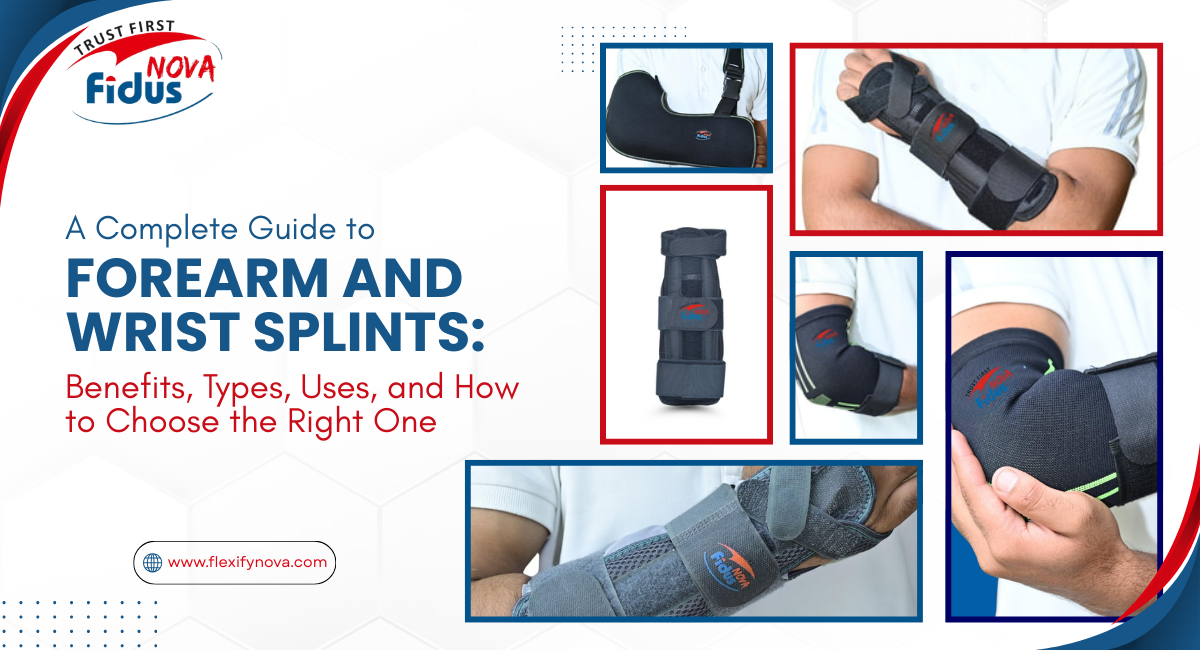
Choosing the right forearm splint depends on the condition, level of support needed, and comfort requirements. Common types include:
1. Volar Forearm Splint
This splint supports the palm side of the forearm and wrist. It is often used for wrist fractures, nerve injuries, or post-surgical care.
2. Dorsal Forearm Splint
Placed on the back side of the forearm, this type is used to limit wrist flexion while allowing controlled extension.
3. Elbow-to-Wrist Forearm Splint
This extended splint provides stability from the elbow to the wrist, ideal for severe injuries or recovery after surgery.
4. Soft Forearm Splint
Made from elastic or fabric materials, soft splints offer mild support and are ideal for daily wear and preventative use.
5. Rigid or Semi-Rigid Splints
These splints use plastic or metal stays for maximum stability and are typically prescribed for more serious injuries.
Key Benefits of Using a Forearm Splint
Using a forearm splint offers multiple benefits beyond basic support:
Pain Relief
By reducing movement and pressure, a splint helps alleviate pain caused by inflammation, strain, or injury.
Improved Stability
The splint stabilises muscles and joints, preventing sudden or harmful movements.
Faster Recovery
Proper immobilisation allows injured tissues to heal efficiently without interruption.
Injury Prevention
For individuals at risk of overuse injuries, forearm splints act as a protective barrier during work or sports.
Enhanced Comfort
Modern forearm splints are designed with breathable materials and adjustable straps for long-term comfort.
How to Choose the Right Forearm Splint
Selecting the correct forearm splint is essential for effective support and recovery. Consider the following factors:
1. Level of Support
Mild pain may require a soft splint, while fractures or severe injuries need rigid support.
2. Size and Fit
A well-fitting splint should be snug but not tight. Poor fit can restrict circulation or reduce effectiveness.
3. Material Quality
Look for breathable, skin-friendly materials that prevent sweating and irritation.
4. Adjustability
Adjustable straps allow customised compression and make the splint easier to wear throughout the day.
5. Doctor’s Recommendation
For medical conditions or injuries, always follow professional advice when choosing a splint.
How to Wear a Forearm Splint Correctly
Wearing a forearm splint properly ensures maximum benefit and comfort:
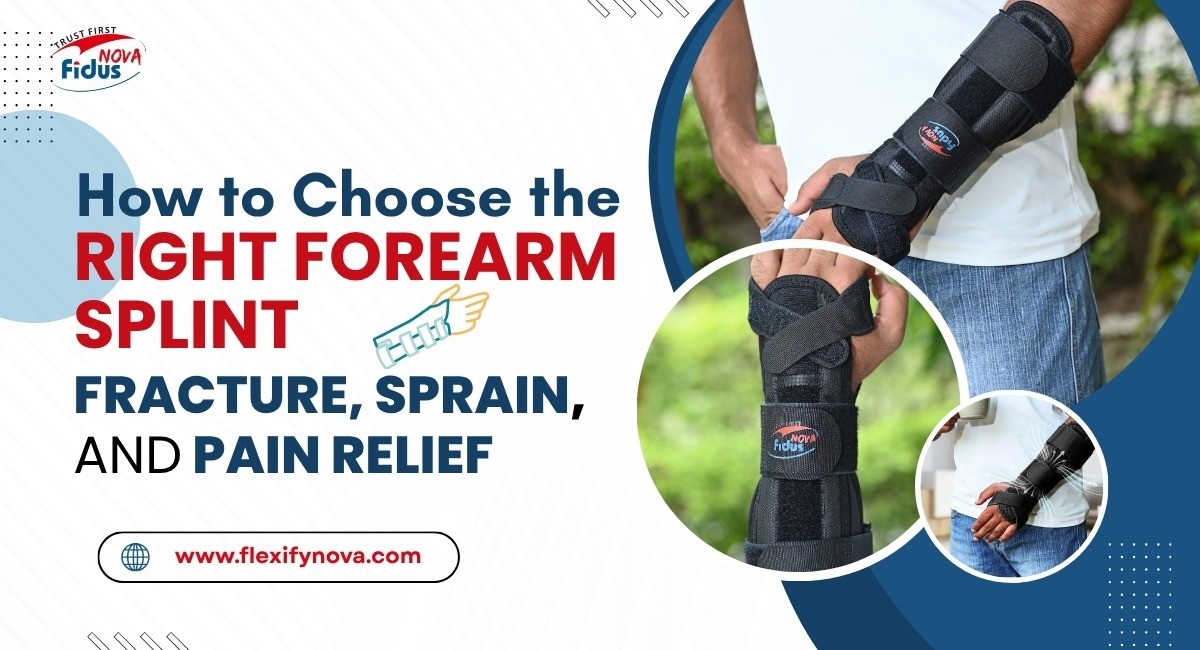
Place the splint along the forearm as directed
Secure straps evenly without overtightening
Ensure fingers remain free and mobile
Check circulation regularly (no numbness or discolouration)
Remove the splint periodically if advised
Incorrect use can delay healing or cause discomfort, so proper application is crucial.
Care and Maintenance of a Forearm Splint
Maintaining your forearm splint improves hygiene and extends its lifespan:
Clean fabric splints regularly according to instructions
Keep rigid splints dry and free from damage
Inspect straps and fasteners for wear
Replace the splint if it loses shape or support
Proper care ensures consistent support and prevents skin issues.
Forearm Splints in Daily Life and Work
Forearm splints are not limited to medical recovery. Many professionals use them as preventive tools:
Office workers to reduce strain from typing
Factory workers handling repetitive tasks
Athletes during training and recovery
Seniors needing additional arm stability
With ergonomic designs and lightweight materials, modern splints integrate easily into daily routines.
Conclusion
A forearm splint is a powerful and practical solution for anyone seeking support, stability, and faster recovery from arm-related injuries or strain. From reducing pain and preventing further damage to aiding post-surgical healing, forearm splints play a critical role in orthopedic care.
By understanding the types, benefits, and correct usage of forearm splints, individuals can make informed decisions that improve comfort, performance, and long-term arm health. Whether for injury recovery, workplace support, or sports protection, the right forearm splint can make a significant difference in restoring strength and mobility.