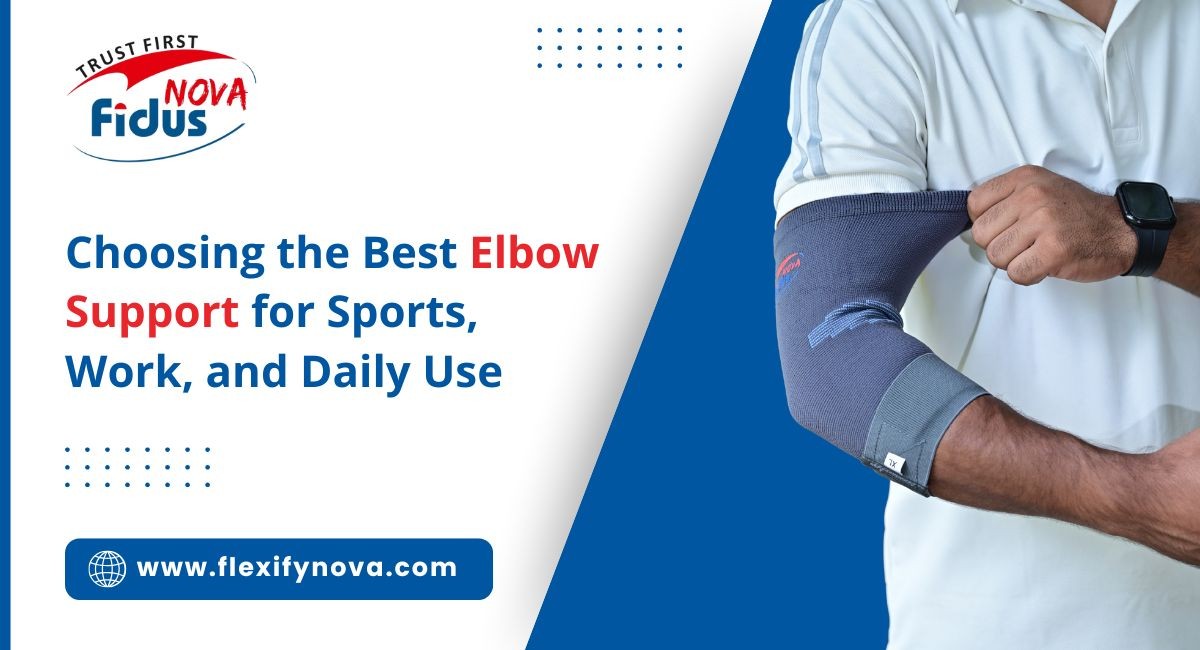
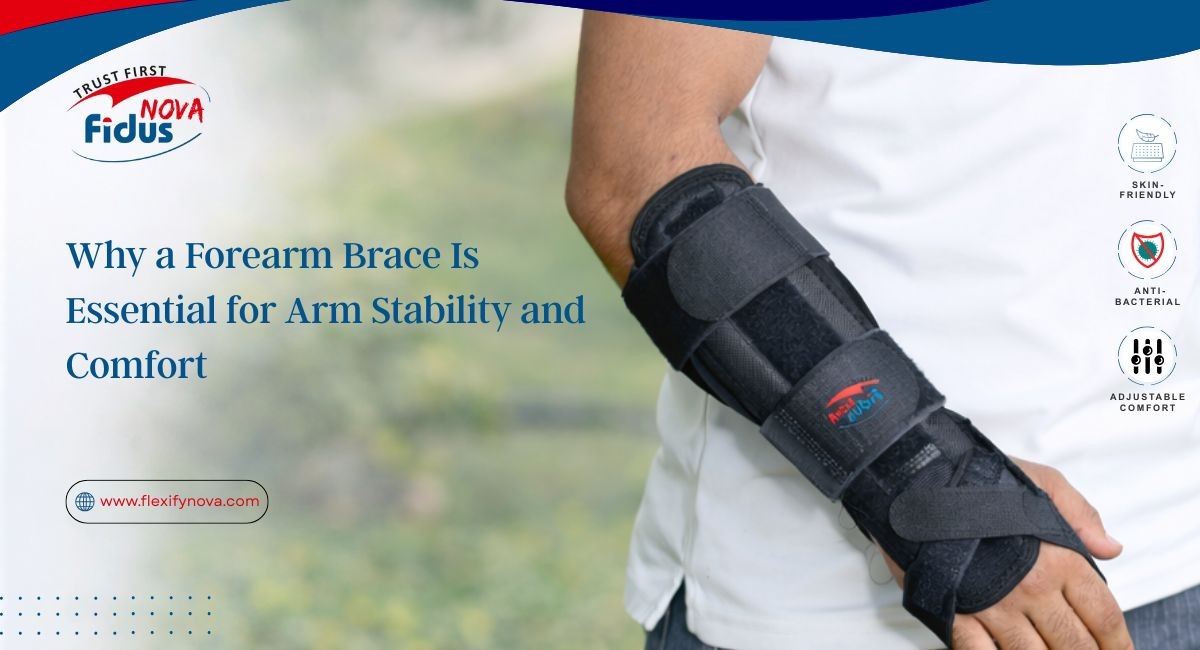
Injuries to the forearm are common and can happen to anyone—from athletes and active individuals to people performing routine daily tasks. Whether caused by a fall, overuse, or a medical condition, forearm injuries often require proper support to heal correctly. One of the most commonly recommended tools for stabilisation and recovery is a forearm splint.
This blog explains when you need a forearm splint, the symptoms that indicate its use, the medical and practical uses, and essential care tips to ensure effective healing and comfort.
What Is a Forearm Splint?
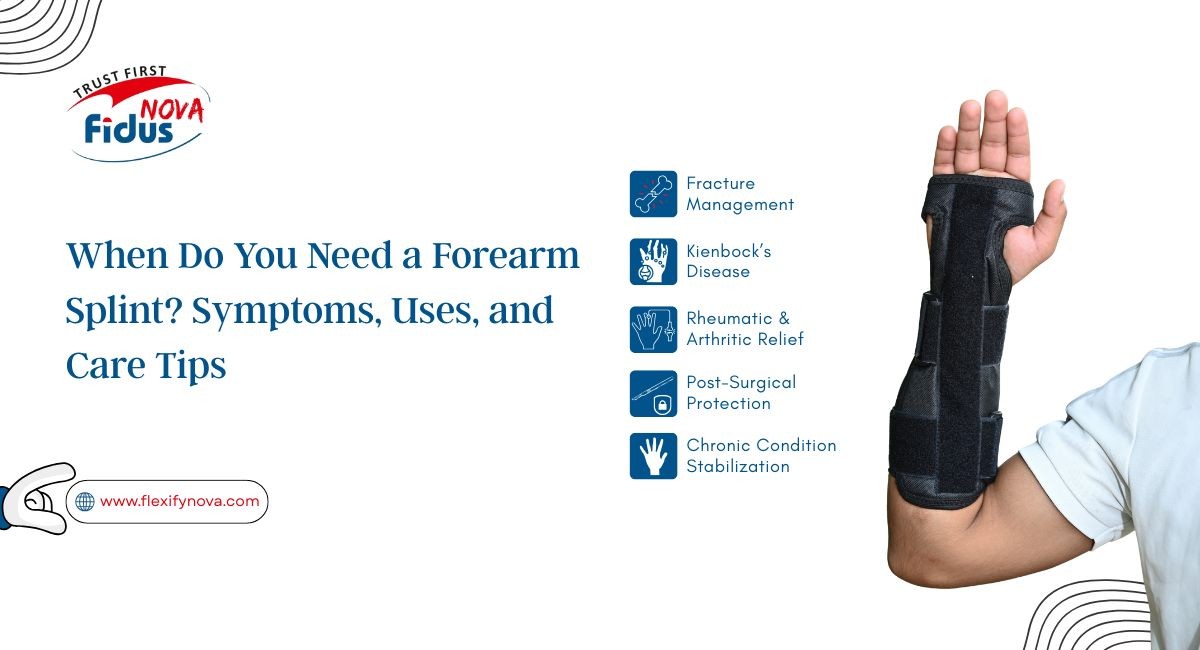
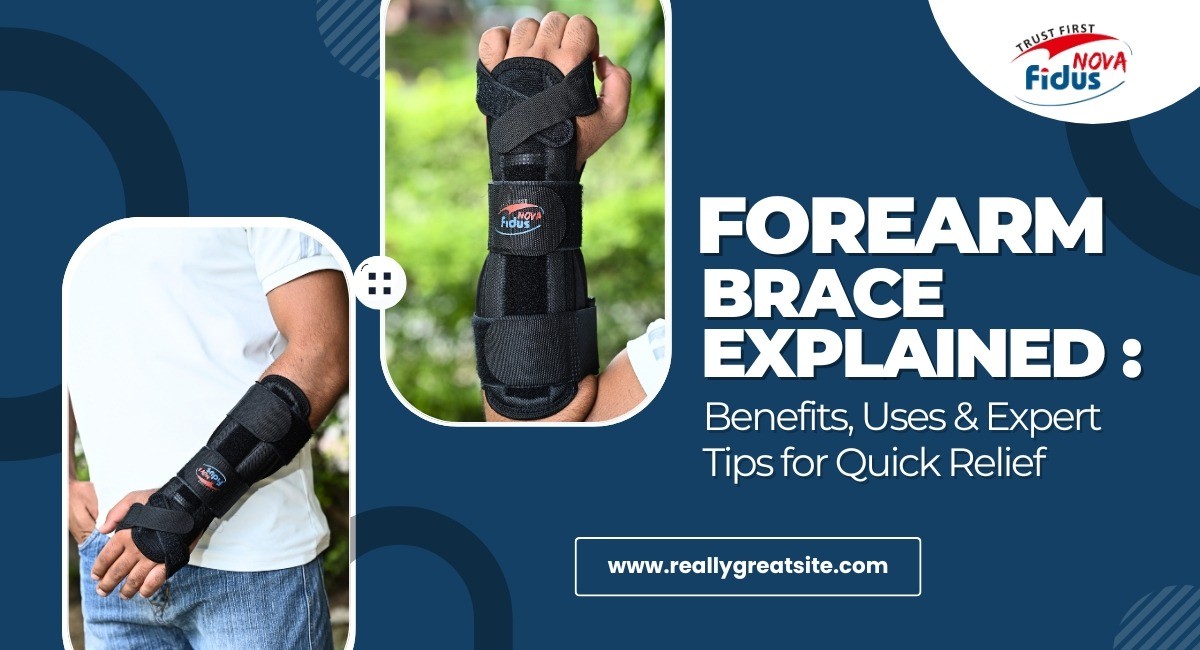
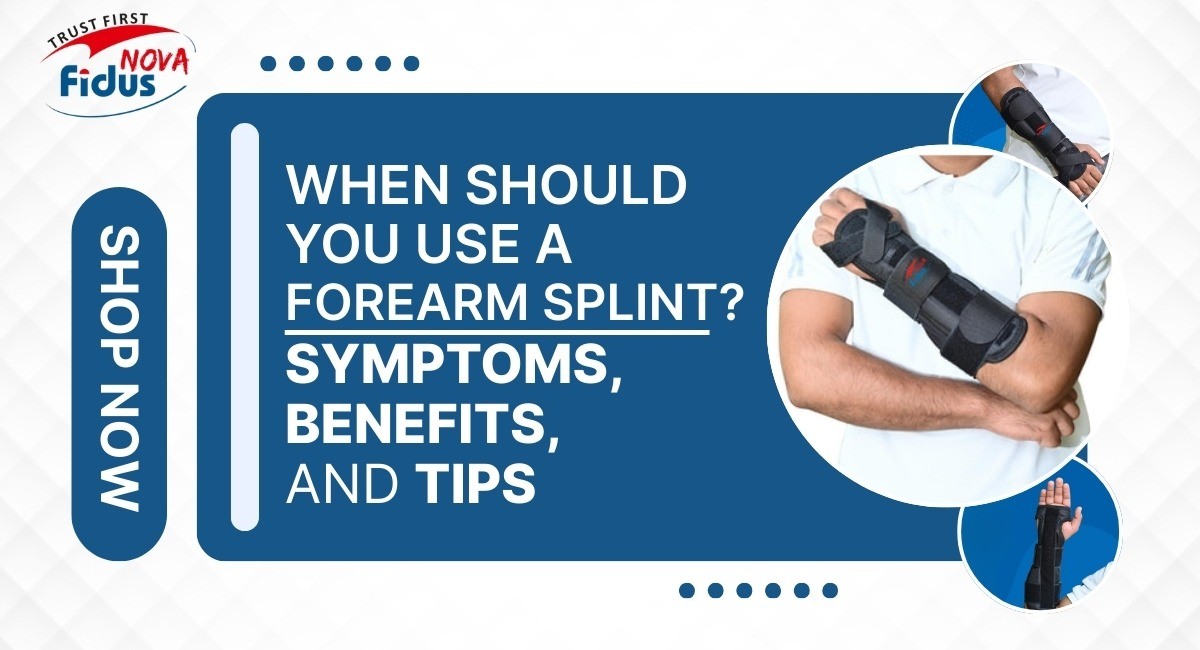
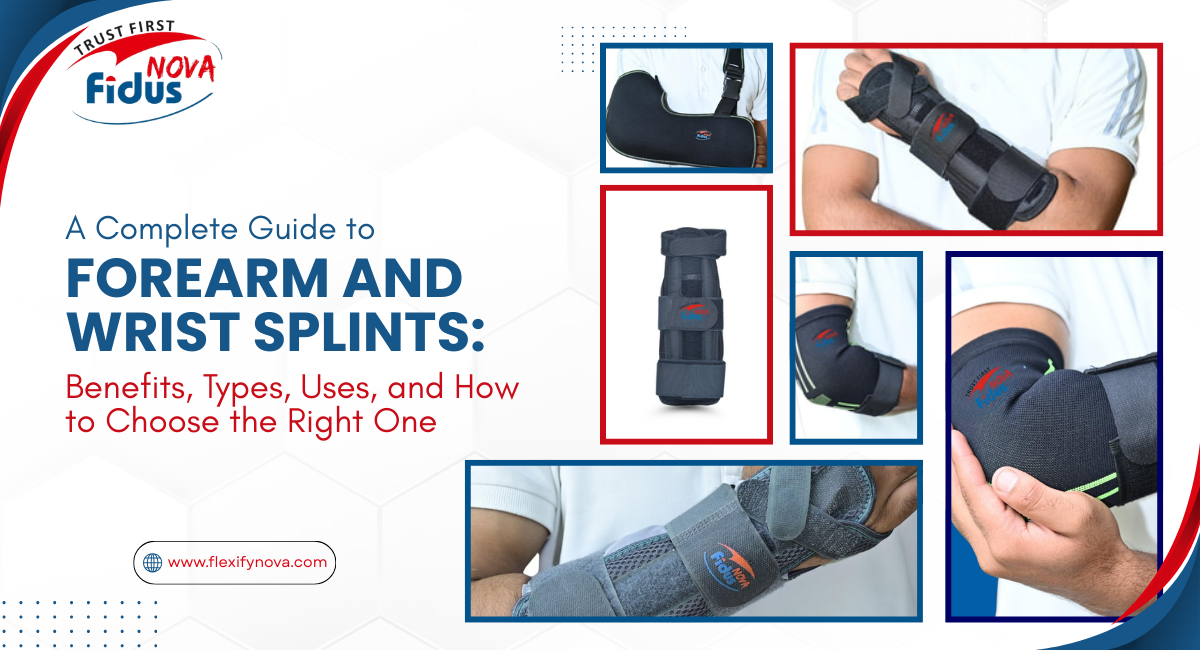
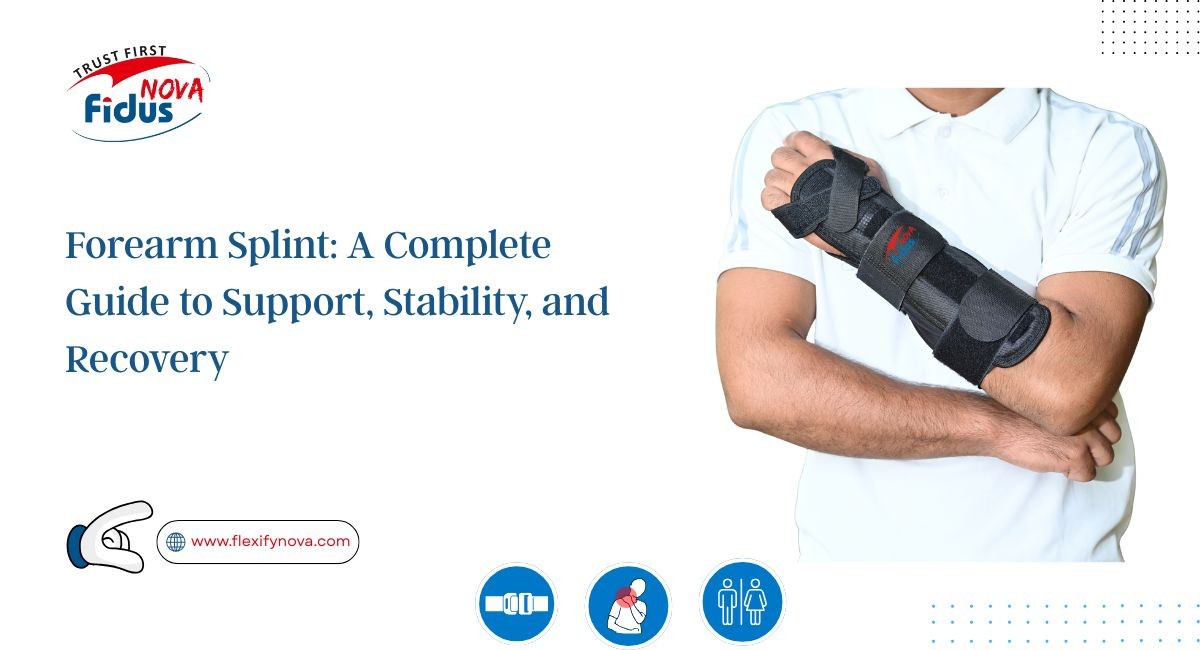
A forearm splint is a medical support device designed to immobilize or limit the movement of the forearm, wrist, or hand. Unlike a full cast, a splint is usually removable and adjustable, making it a flexible option for injury management.
Forearm splints are commonly made from:
They are often used in the early stages of injury or as part of a recovery plan recommended by a healthcare professional.
When Do You Need a Forearm Splint?
You may need a forearm splint when the forearm, wrist, or surrounding structures require stabilisation, protection, or rest. A splint helps reduce movement, control pain, and prevent further injury.
Common Situations That Require a Forearm Splint
After a fall or accident
Following a sports-related injury
During recovery from surgery
In cases of repetitive strain or overuse
When advised by a doctor for pain or inflammation
Early use of a splint can significantly improve healing outcomes and reduce complications.
Symptoms That Indicate You May Need a Forearm Splint
Recognising symptoms early is essential for proper treatment. If you experience any of the following signs, a forearm splint may be necessary.
1. Persistent Pain in the Forearm or Wrist
Ongoing pain that worsens with movement or pressure is a strong indicator that the area needs support and rest. A splint helps reduce stress on injured tissues.
2. Swelling and Inflammation
Swelling after an injury or due to overuse can limit movement and cause discomfort. A forearm splint helps stabilise the area and can prevent swelling from worsening.
3. Limited Range of Motion
Difficulty bending, rotating, or using the forearm or wrist may suggest a strain, sprain, or fracture. Immobilization allows damaged tissues to heal properly.
4. Numbness or Tingling
Nerve compression or inflammation can cause tingling sensations. A splint can help position the arm correctly and reduce pressure on nerves.
5. Weakness or Instability
If the forearm feels weak or unstable, especially when lifting or gripping objects, a splint provides the necessary support to prevent further injury.
Common Uses of a Forearm Splint
Forearm splints are versatile and used for various medical and non-medical purposes. Below are the most common applications.
1. Fractures and Hairline Cracks
In cases of minor fractures or suspected fractures, a forearm splint is often used as an initial treatment before a cast or as part of a recovery plan.
2. Sprains and Strains
Ligament sprains and muscle strains benefit from limited movement. A splint reduces strain on injured tissues and speeds up recovery.
3. Tendon and Nerve Conditions
Conditions such as tendon inflammation or nerve compression often require rest and proper positioning, which a splint provides.
4. Post-Surgical Support
After forearm or wrist surgery, splints help protect surgical repairs and ensure controlled healing.
5. Repetitive Stress Injuries
Individuals who perform repetitive tasks, such as typing or lifting, may develop overuse injuries. A splint helps reduce stress and promotes healing.
Benefits of Using a Forearm Splint
Using a forearm splint correctly offers several advantages:
Reduces pain and discomfort
Prevents further injury
Supports proper alignment
Promotes faster healing
Allows safe movement during recovery
Because splints are often adjustable and removable, they offer both protection and convenience.
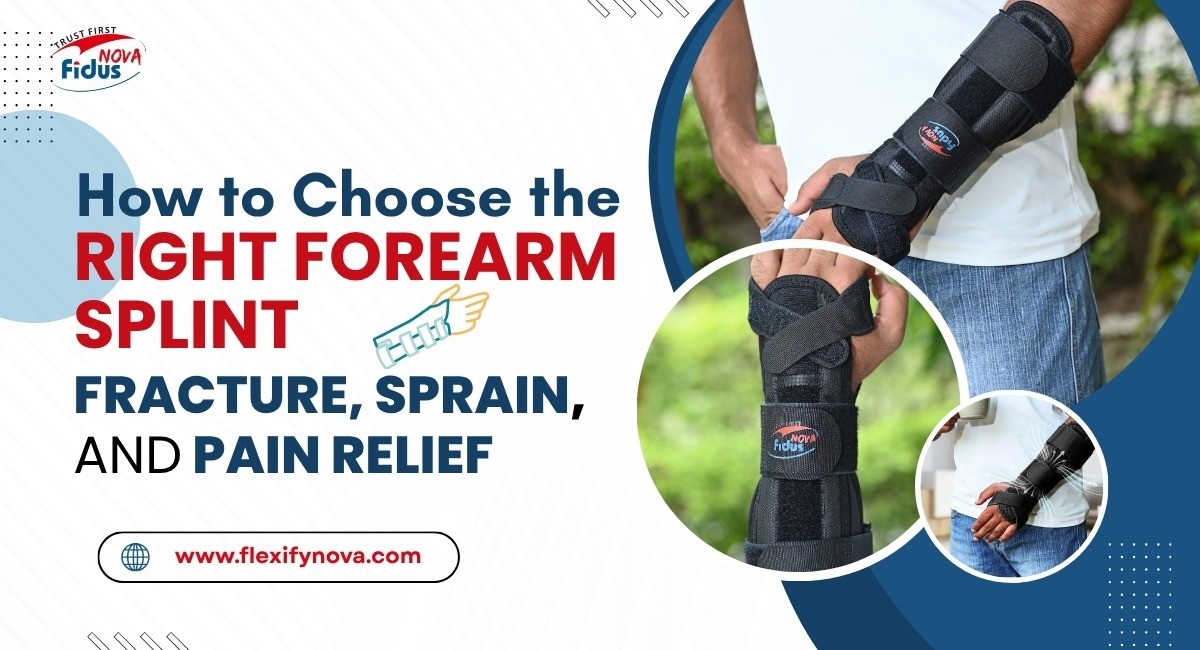
How to Choose the Right Forearm Splint
Selecting the correct forearm splint is crucial for effective treatment.
Consider the Following Factors:
Type of injury: Fracture, sprain, or overuse injury
Level of support needed: Rigid vs. flexible splint
Fit and comfort: Proper sizing is essential
Ease of use: Adjustable straps and breathable materials
Always consult a healthcare professional if you are unsure which type of splint is appropriate.
Care Tips for Using a Forearm Splint
Proper care ensures comfort, hygiene, and effective healing while using a forearm splint.
1. Wear It as Directed
Follow your doctor’s instructions regarding when and how long to wear the splint. Wearing it too much or too little can affect recovery.
2. Keep the Splint Clean and Dry
Moisture can cause skin irritation and damage the splint. Clean removable splints according to the manufacturer's instructions.
3. Check for Skin Irritation
Regularly inspect your skin for redness, sores, or numbness. If you notice discomfort, adjust the splint or consult a healthcare provider.
4. Do Not Overtighten
The splint should be snug but not tight. Excessive tightness can restrict blood flow and cause numbness or swelling.
5. Elevate the Arm When Possible
Elevating the arm helps reduce swelling, especially during the early stages of injury.
6. Perform Approved Exercises
If recommended by a healthcare provider, gentle exercises can help maintain circulation and prevent stiffness.
When to See a Doctor
While forearm splints are helpful, some situations require medical attention. Seek professional care if:
Pain increases despite wearing the splint
Swelling or numbness worsens
You experience colour changes inyour fingers
The injury does not improve over time
Early medical evaluation ensures proper diagnosis and treatment.
Conclusion
A forearm splint plays a vital role in managing injuries, reducing pain, and supporting recovery. Knowing when you need a forearm splint, recognising the symptoms, understanding its uses, and following proper care tips can make a significant difference in healing outcomes.
Whether used for fractures, sprains, post-surgical support, or overuse injuries, a forearm splint provides stability and protection while allowing the body to recover safely. Always consult a healthcare professional for proper diagnosis and guidance to ensure the best results.