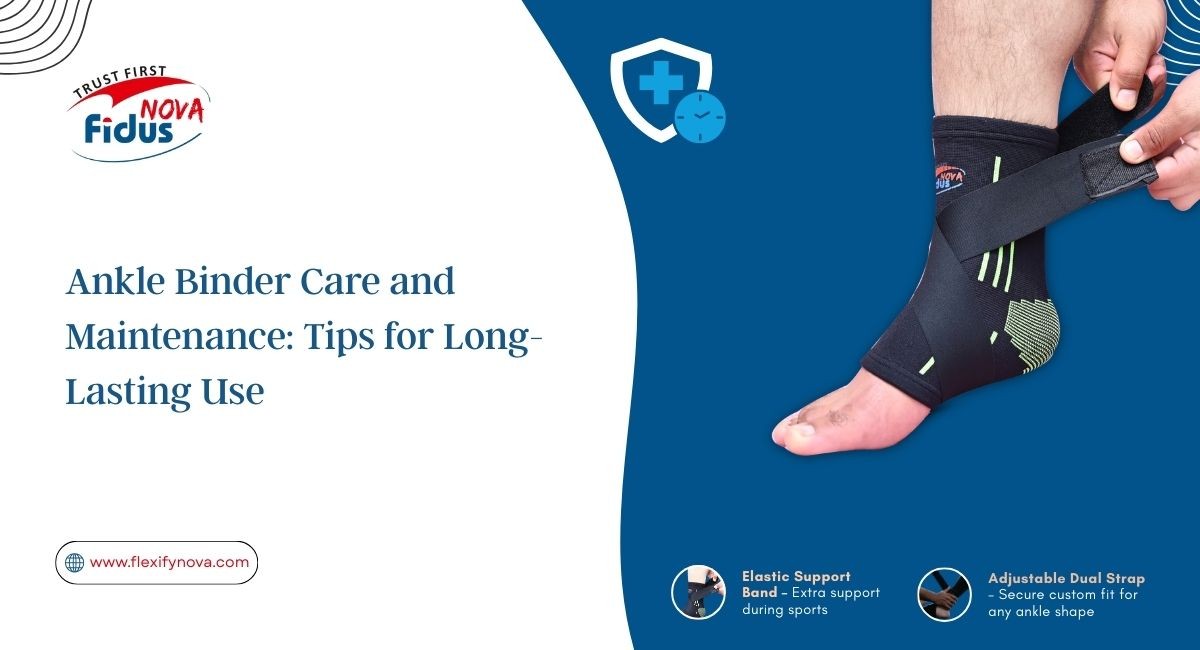
An ankle binder is an essential support accessory for people recovering from injuries, managing chronic ankle pain, or seeking extra stability during sports and daily activities. Whether you use an ankle binder for medical reasons or preventive care, proper maintenance is crucial to ensure it remains effective, hygienic, and durable over time. Neglecting care can lead to reduced support, unpleasant odors, skin irritation, and a shorter product lifespan.
This comprehensive guide will walk you through everything you need to know about ankle binder care and maintenance, helping you get the most value and performance from your investment.
Why Proper Ankle Binder Care Matters
An ankle binder is in constant contact with your skin, absorbing sweat, oils, and bacteria. Over time, improper care can cause:
Loss of elasticity and compression
Skin irritation or infections
Unpleasant odors
Reduced structural support
Faster wear and tear
Maintaining your ankle binder correctly not only extends its life but also ensures optimal comfort, hygiene, and therapeutic benefits.
Understanding Your Ankle Binder Material
Before diving into care tips, it’s important to understand what your ankle binder is made of. Most ankle binders use a combination of:
Elastic fibers for compression
Neoprene or nylon for flexibility and support
Velcro straps for adjustable fit
Breathable mesh panels for airflow
Each of these materials requires gentle handling to maintain its effectiveness. Always check the manufacturer’s care instructions, as material composition may vary.
How Often Should You Clean Your Ankle Binder?
The frequency of cleaning depends on how often you use it:
Daily use: Wash every 1–2 days
Sports or intense activity: Wash after each use
Occasional use: Wash weekly
If you notice sweat buildup, odor, or visible dirt, it’s time for a wash regardless of your schedule.
Step-by-Step Guide to Washing Your Ankle Binder
1. Hand Washing Is Best
Hand washing is the safest and most recommended method to preserve elasticity and structure.
Steps:
Fill a basin with lukewarm water
Add a small amount of mild detergent
Submerge the ankle binder and gently agitate
Focus on high-sweat areas
Rinse thoroughly to remove all soap
Avoid scrubbing or wringing the binder, as this can damage the fibers.
2. Machine Washing (If Allowed)
If the manufacturer permits machine washing:
Place the ankle binder in a mesh laundry bag
Use cold water and a gentle cycle
Choose a mild detergent
Avoid fabric softeners and bleach
Always wash it separately from heavy clothing like jeans or towels.
Drying Your Ankle Binder the Right Way
Drying is just as important as washing.
What You Should Do:
Air dry on a flat surface
Keep it away from direct sunlight
Allow it to dry completely before reuse
What You Should Avoid:
Do not use a tumble dryer
Do not place on radiators or heaters
Do not hang it by the straps
Heat can weaken elastic fibers and cause shrinkage, reducing the binder’s effectiveness.
Managing Odors and Bacteria
Persistent odors can develop if bacteria build up over time. Here’s how to prevent and manage them:
Wash regularly after use
Allow the binder to fully dry between wears
Sprinkle baking soda lightly before washing (occasionally)
Avoid storing it while damp
For stubborn odors, soaking the binder for 15–20 minutes in a solution of water and white vinegar (1:3 ratio) before washing can help eliminate bacteria naturally.
Proper Storage Tips
Correct storage prevents deformation and material damage.
Best Practices:
Store in a cool, dry place
Lay it flat or gently fold it
Keep Velcro fastened to avoid snagging
Avoid placing heavy objects on top
Never leave your ankle binder in humid environments like bathrooms or gym bags for extended periods.
Inspecting Your Ankle Binder Regularly
Routine inspection helps you identify early signs of wear and tear.
Check for:
If the binder no longer provides adequate support or stays in place, it may be time to replace it.
How Long Does an Ankle Binder Last?
The lifespan of an ankle binder depends on usage, quality, and care. On average:
High-quality binders that are properly maintained tend to last longer and perform better over time.
Skin Care Tips While Using an Ankle Binder
Good ankle binder care also includes protecting your skin:
Clean and dry your ankle before wearing
Avoid applying lotions or oils beforehand
Remove the binder if you feel numbness or excessive tightness
Give your skin time to breathe between uses
Wearing a binder on dirty or moist skin increases the risk of rashes and infections.
Common Mistakes to Avoid
Many users unknowingly shorten the life of their ankle binder. Avoid these common mistakes:
Correcting these habits can significantly improve durability and comfort.
When to Replace Your Ankle Binder
Even with proper care, ankle binders are not meant to last forever. Replace your binder if:
It no longer provides firm compression
The material feels loose or thin
Velcro no longer sticks securely
You experience discomfort or instability
Using a worn-out binder can be ineffective and potentially harmful.
Final Thoughts
An ankle binder s a valuable tool for injury recovery, prevention, and everyday support—but only if it’s well maintained. By washing it properly, drying it carefully, storing it correctly, and inspecting it regularly, you can significantly extend its lifespan and ensure consistent performance.
Good ankle binder care isn’t just about durability—it’s about comfort, hygiene, and your overall foot and ankle health. With these simple yet effective tips, your ankle binder can continue supporting you step after step, for the long run.