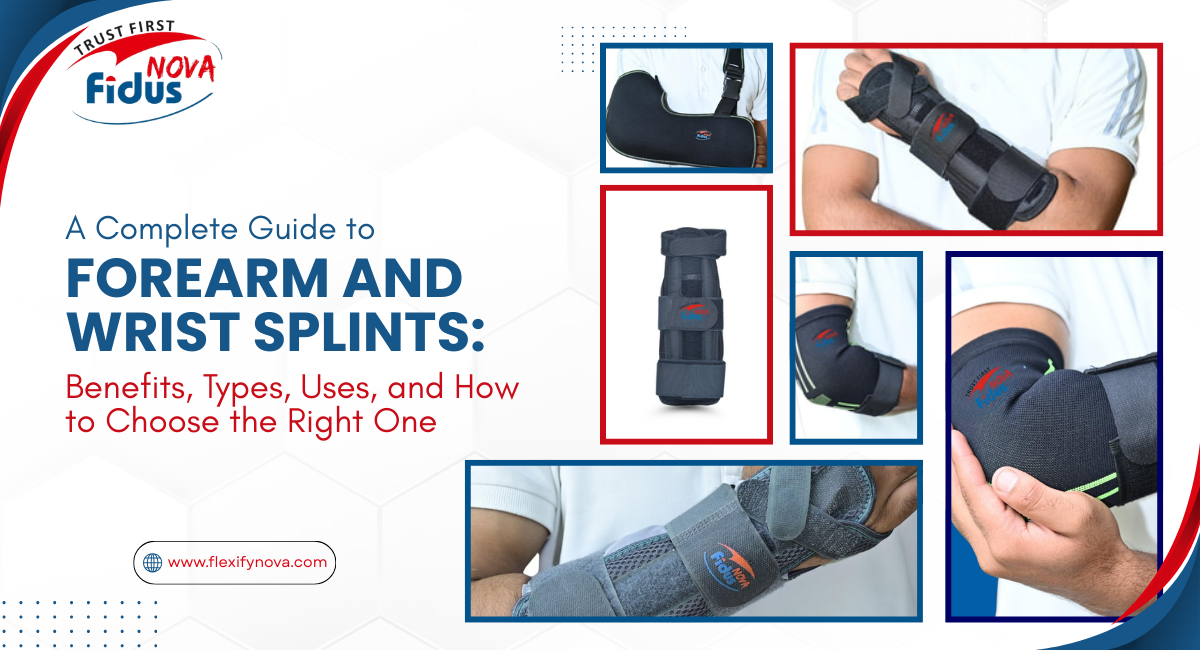
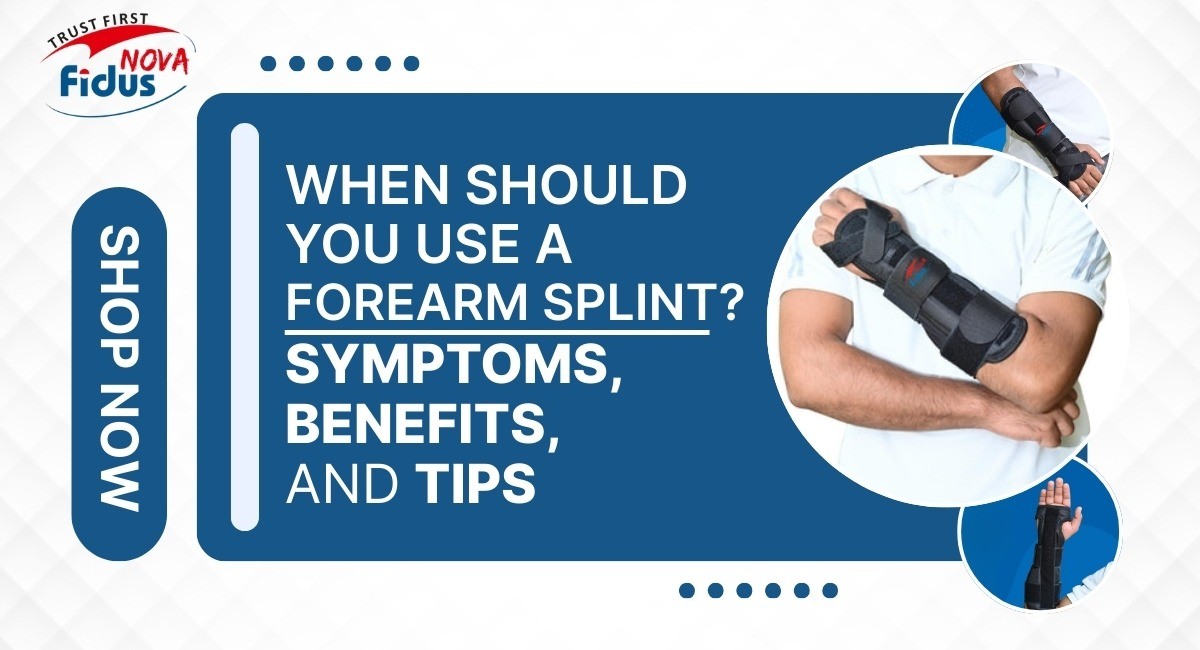
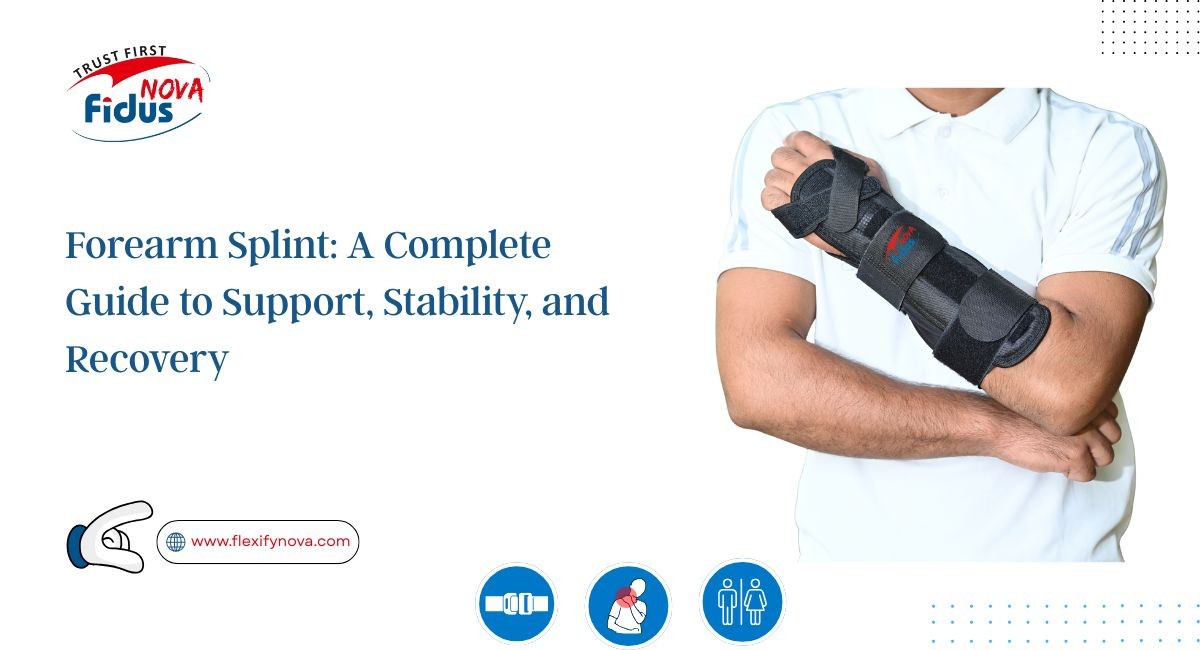
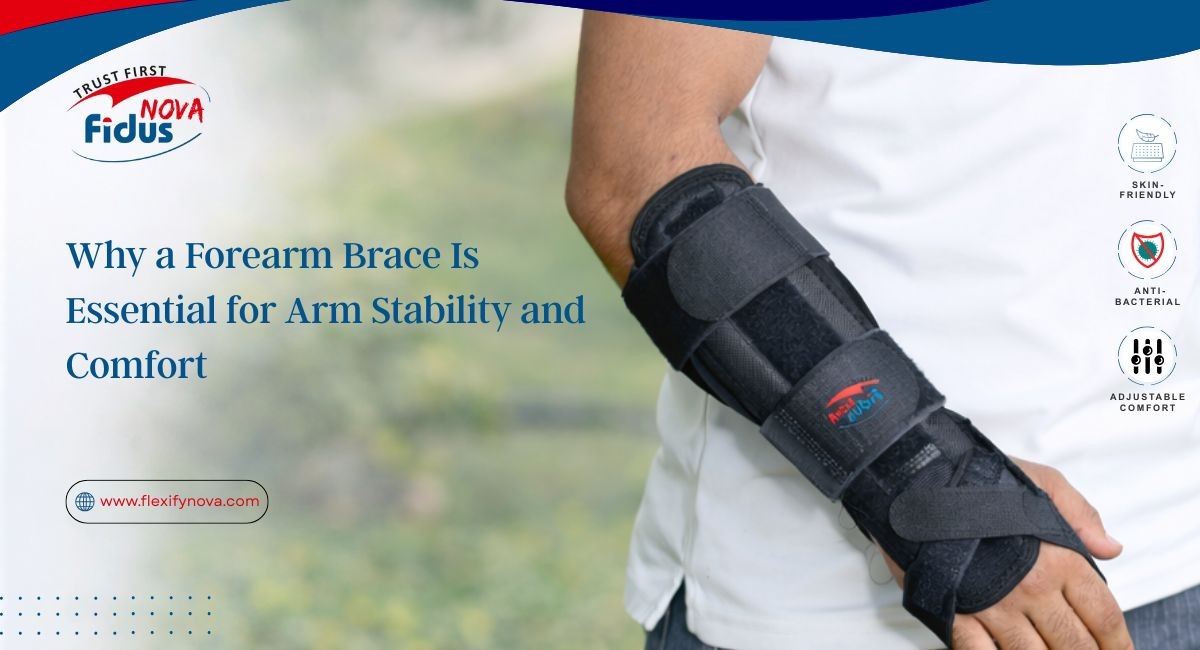
Forearm and wrist pain has become increasingly common due to modern lifestyles, repetitive hand movements, sports injuries, and medical conditions. Whether caused by overuse, trauma, or chronic disorders, discomfort in these areas can significantly affect daily activities and work productivity. Forearm and wrist splints are widely recommended orthopedic supports designed to provide stability, reduce pain, and promote healing.
This comprehensive guide explains what forearm and wrist splints are, their benefits, different types, common uses, and how to choose the right splint for your needs.
What Are Forearm and Wrist Splints?
Forearm and wrist splints are orthopedic support devices designed to immobilize or restrict movement of the wrist, forearm, or both. They help maintain proper alignment, reduce stress on muscles and joints, and support injured or weakened areas during recovery.
These splints are commonly prescribed by healthcare professionals for injuries, post-surgical recovery, repetitive strain conditions, and chronic joint problems. They are available in various designs, from soft fabric supports to rigid splints with metal or plastic stays.
Benefits of Forearm and Wrist Splints
Using a forearm or wrist splint offers multiple physical and functional benefits, especially when used correctly and consistently.
1. Pain Relief
Splints help reduce pain by limiting movements that strain injured tissues. By keeping the wrist or forearm in a neutral position, they minimize pressure on nerves, tendons, and ligaments.
2. Improved Stability and Support
Forearm and wrist splints provide external support to weak or injured joints, reducing the risk of further injury during daily activities.
3. Faster Healing
By immobilizing the affected area, splints allow tissues to rest and heal naturally, which can speed up recovery from injuries and inflammation.
4. Prevention of Further Damage
Splints are effective in preventing excessive motion that could worsen conditions such as sprains, fractures, or tendon injuries.
5. Enhanced Functionality
With proper support, users often find it easier to perform light tasks without aggravating pain, especially during the healing phase.
Common Uses of Forearm and Wrist Splints
Forearm and wrist splints are used for a wide range of medical and non-medical conditions.
1. Repetitive Strain Injuries
Conditions caused by repetitive movements, such as typing or assembly work, often benefit from splint support.
2. Sports Injuries
Athletes frequently use splints for wrist sprains, tendon strains, and overuse injuries resulting from sports like tennis, cricket, or weightlifting.
3. Fractures and Post-Cast Support
After removal of a cast, splints provide continued support and protection while restoring mobility gradually.
4. Arthritis and Joint Conditions
People with arthritis use splints to reduce joint stress, manage pain, and improve hand function during daily tasks.
5. Post-Surgical Recovery
After wrist or forearm surgery, splints help protect surgical repairs and maintain proper alignment.
6. Nerve Compression Issues
Splints are often recommended for conditions involving nerve irritation or compression, especially during rest or sleep.
Types of Forearm and Wrist Splints
Choosing the right type of splint depends on the severity of the condition and the level of immobilization required.
1. Soft Wrist Splints
Made from elastic or fabric materials, these splints provide mild compression and support. They are ideal for minor pain, swelling, or preventive use during activities.
Best for: Mild strain, early-stage discomfort, daily use
2. Rigid Wrist Splints
These splints include metal or plastic stays that limit wrist movement more effectively. They are commonly used for moderate injuries and post-surgical recovery.
Best for: Sprains, tendon injuries, post-surgery support
3. Forearm-Based Wrist Splints
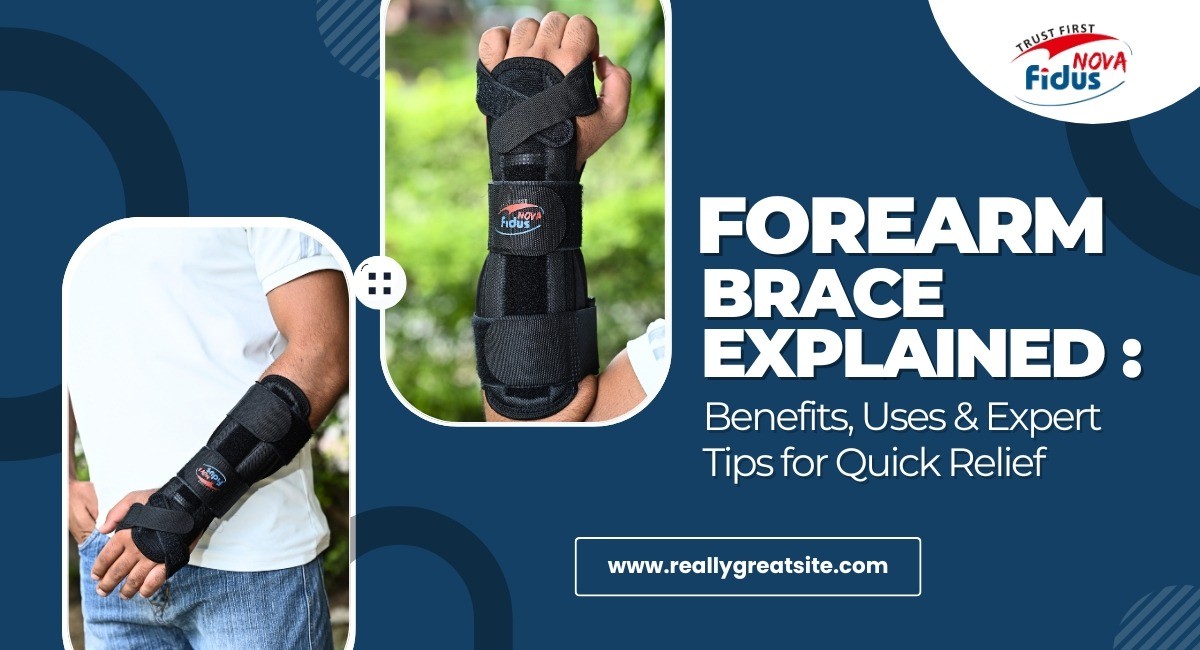
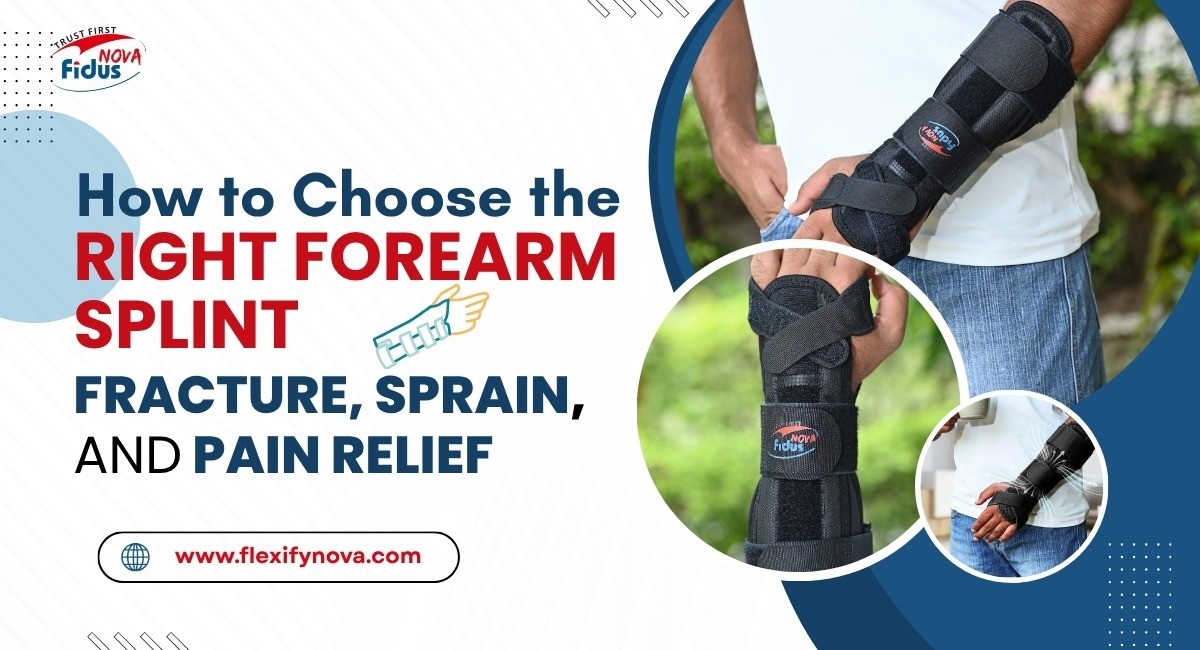
Designed to extend from the forearm to the hand, these splints offer enhanced stability by supporting both the wrist and forearm.
Best for: Severe injuries, fractures, nerve conditions
4. Thumb Spica Splints
These splints stabilize the wrist and thumb together, providing targeted support for thumb-related injuries.
Best for: Thumb pain, ligament injuries, arthritis affecting the thumb
5. Night Splints
Specifically designed for use during sleep, night splints keep the wrist in a neutral position to reduce pain and stiffness.
Best for: Nighttime pain, nerve compression, morning stiffness
How to Choose the Right Forearm or Wrist Splint
Selecting the correct splint is essential for comfort, effectiveness, and recovery. Here are key factors to consider:
1. Identify the Condition
Understand whether the issue is mild, moderate, or severe. Minor discomfort may require only a soft splint, while serious injuries may need rigid or forearm-based support.
2. Level of Immobilization Needed
Some conditions benefit from limited movement, while others require near-total immobilization. Choose a splint that matches your medical requirement.
3. Comfort and Fit
A splint should fit snugly without causing numbness or excessive pressure. Adjustable straps are helpful for achieving a customized fit.
4. Material and Breathability
Look for breathable, skin-friendly materials to avoid sweating, irritation, or discomfort during extended wear.
5. Daily Activity Requirements
Consider whether you need the splint for work, sports, sleep, or recovery. Lightweight and flexible splints are better for daytime use, while rigid splints suit rest and healing.
6. Medical Advice
Always consult a healthcare professional for persistent pain, swelling, or injuries to ensure the splint is appropriate for your condition.
Tips for Using Forearm and Wrist Splints Effectively
Wear the splint as recommended by a medical professional
Avoid overtightening straps, which can restrict blood flow
Keep the splint clean and dry to maintain hygiene
Remove the splint periodically if advised, to perform gentle exercises
Stop use and consult a doctor if pain or numbness increases
Who Can Benefit from Forearm and Wrist Splints?
Forearm and wrist splints wrist and forearm splint range of individuals, including office workers, athletes, elderly individuals, people recovering from surgery, and anyone experiencing wrist or forearm discomfort. They are particularly helpful for those whose daily activities involve repetitive hand movements.
Conclusion
Forearm and wrist splints play a crucial role in pain management, injury recovery, and joint protection. With various types available, choosing the right splint depends on your condition, lifestyle, and level of support needed. When used correctly, these orthopedic supports can significantly improve comfort, promote healing, and prevent further injury.
If you experience ongoing wrist or forearm pain, consulting a healthcare professional and using a properly fitted splint can be an effective step toward long-term relief and better mobility.