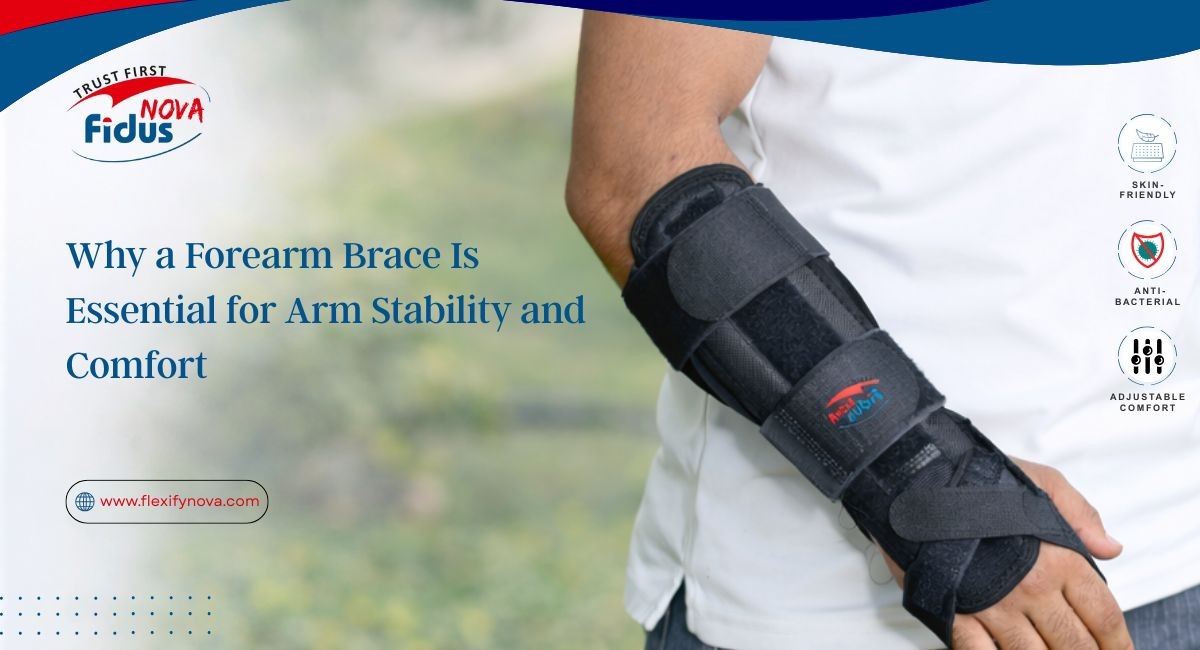
Forearm injuries are common and can affect people of all ages. Whether caused by sports activities, accidents, repetitive strain, or medical conditions, pain and discomfort in the forearm can make everyday tasks difficult. Simple activities such as lifting objects, typing, or even holding a phone may become painful. In such situations, a forearm splint can provide essential support and protection to help the arm heal properly.
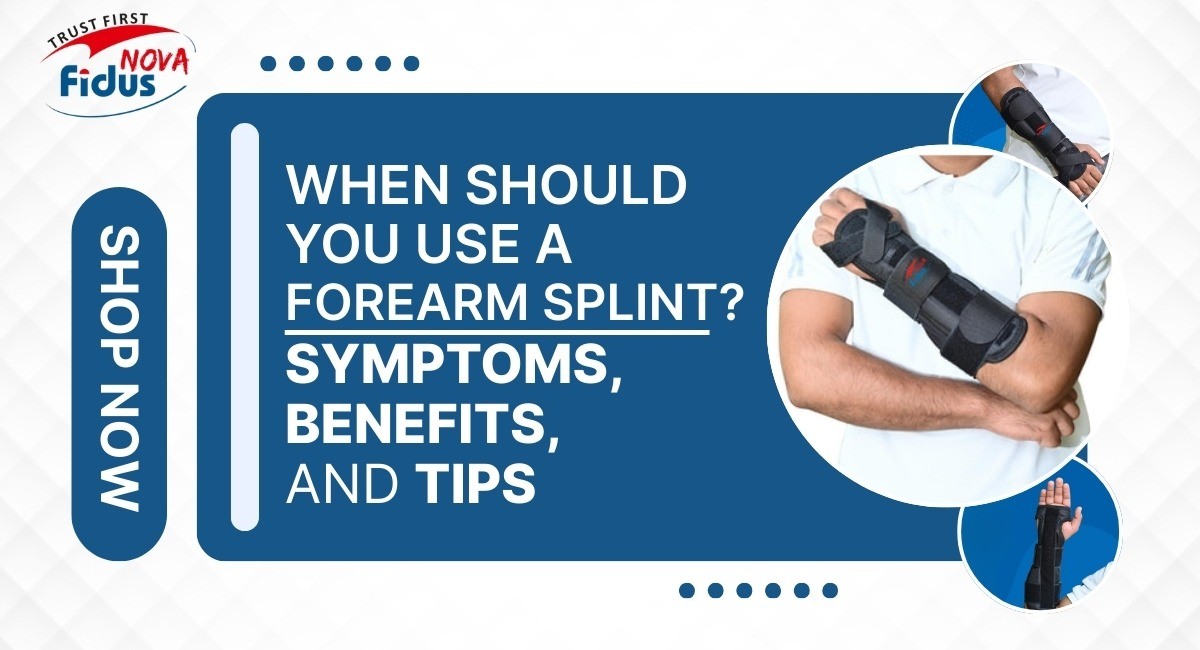
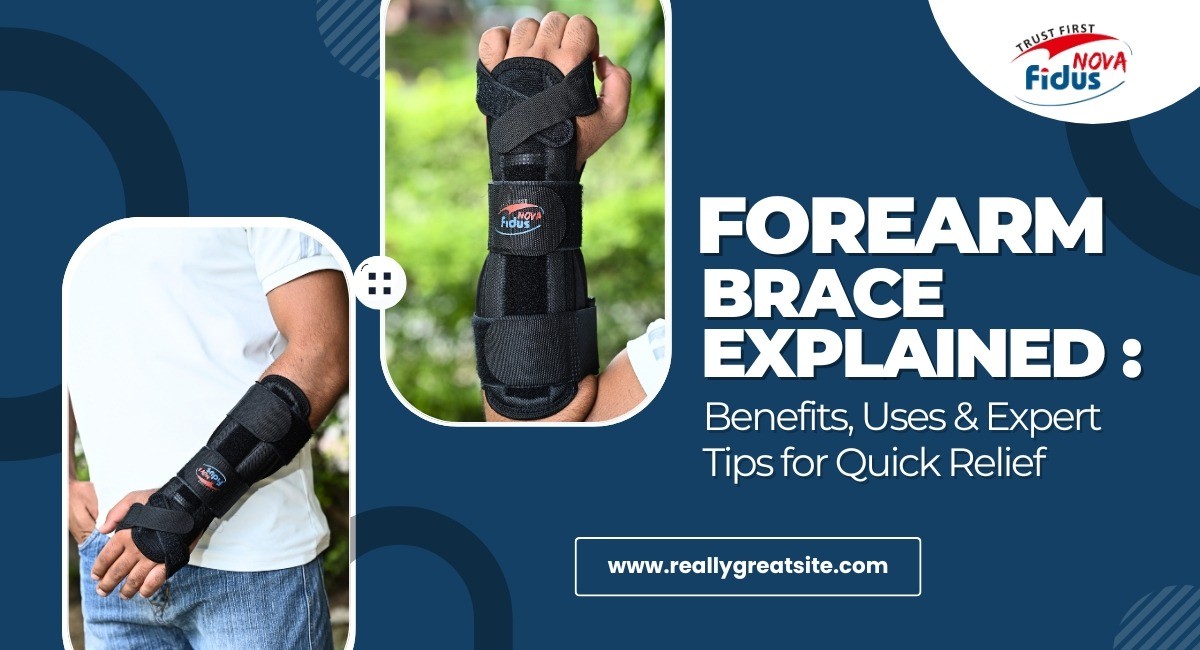
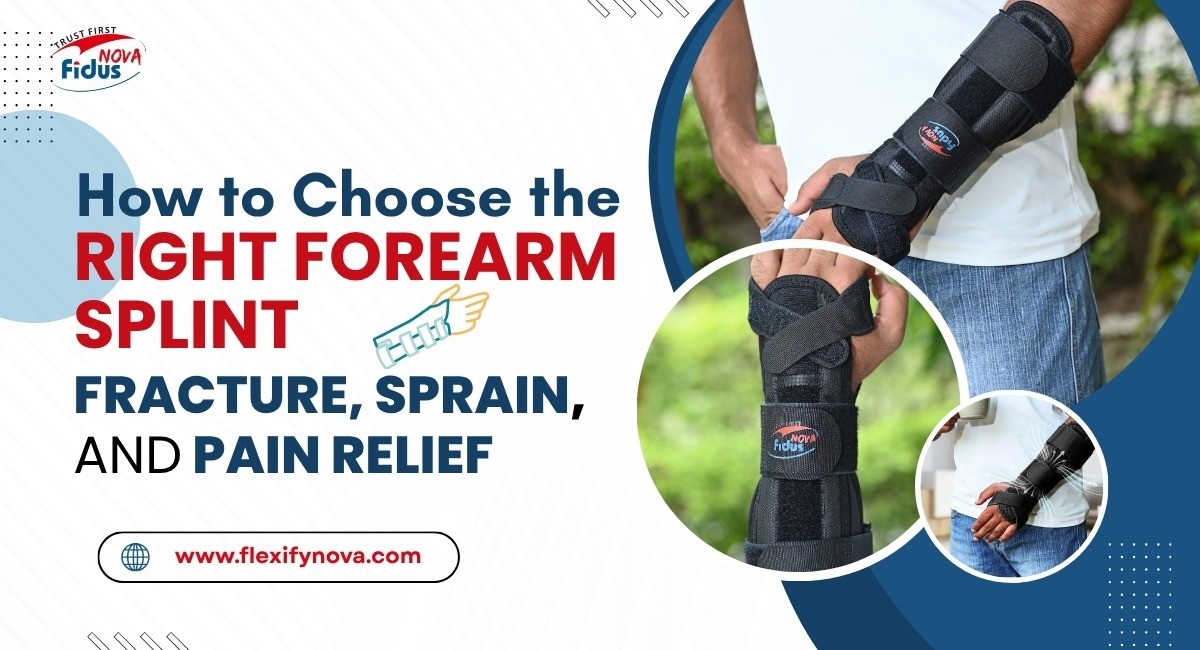
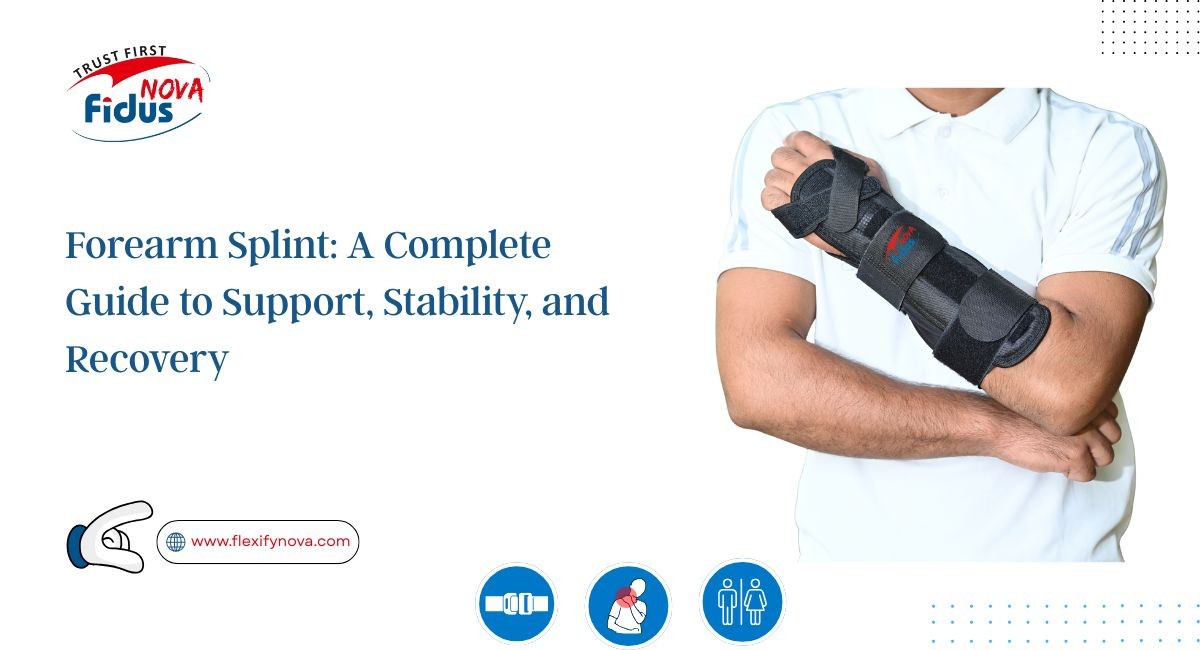
A forearm splint is a supportive orthopedic device designed to stabilise the forearm, wrist, and sometimes the hand. It helps limit unnecessary movement, reduce pain, and promote faster recovery. Doctors often recommend forearm splints for injuries, fractures, sprains, and certain medical conditions that affect the arm.
In this blog, we will explore when you should use a forearm splint, the symptoms that indicate the need for one, its benefits, and helpful tips for using it correctly.
What Is a Forearm Splint?
A forearm splint is a medical support device that immobilizes or stabilises the forearm and wrist area. It is commonly made from materials such as rigid plastic, metal supports, or padded fabric with adjustable straps. The main purpose of a forearm splint is to restrict movement in the injured area, allowing tissues, muscles, ligaments, or bones to heal without additional strain.
Forearm splints are widely used in opaedicorthopedic treatment and are often recommended after injuries or surgeries involving the arm. They are also useful for managing chronic conditions that cause pain or weakness in the forearm.
When Should You Use a Forearm Splint?
Knowing when to use a forearm splint is important to prevent further damage and speed up the healing process. Here are some common situations where a forearm splint is recommended.
1. Forearm Fractures
One of the most common reasons for using a forearm splint is a fracture or broken bone in the forearm. The forearm consists of two bones: the radius and the ulna. When either of these bones breaks, a splint is often used initially to stabilize the arm and prevent movement.
A splint helps protect the injured bone until a cast or further treatment is provided. It also reduces swelling and keeps the bones aligned during the early stages of healing.
2. Sprains and Strains
Sprains and strains occur when ligaments or muscles are stretched or torn due to sudden movement, overuse, or injury. These conditions can cause swelling, pain, and limited movement in the forearm.
A forearm splint supports the injured muscles and ligaments by limiting motion. This allows the tissues to recover while reducing the risk of further injury.
3. Post-Surgery Recovery
After surgery involving the forearm, wrist, or elbow, doctors often recommend using a splint. Surgical procedures can weaken the surrounding tissues, making the arm more vulnerable to strain.
A forearm splint helps keep the arm in a stable position, protecting the surgical area and promoting proper healing.
4. Repetitive Strain Injuries
People who perform repetitive tasks, such as typing, using tools, or playing sports, may develop repetitive strain injuries in the forearm. These injuries can cause inflammation and discomfort over time.
Using a forearm splint can help reduce strain on the muscles and tendons by keeping the arm properly aligned and supported.
5. Sports Injuries
Athletes often experience injuries in the forearm due to falls, sudden impacts, or overuse. Sports such as tennis, cricket, weightlifting, and gymnastics can put significant stress on the arm.
A forearm splint can provide stability and protection during recovery, helping athletes return to their activities safely.
Symptoms That Indicate You May Need a Forearm Splint
Not every forearm pain requires a splint, but certain symptoms may indicate that extra support is needed. If you experience the following symptoms, it may be helpful to use a forearm splint after consulting a healthcare professional.
Persistent Pain
Continuous pain in the forearm that worsens with movement can be a sign of injury or strain. A splint helps reduce movement and relieve pressure on the affected area.
Swelling and Inflammation
Swelling around the forearm or wrist may indicate tissue damage or injury. A splint can help minimize swelling by stabilising the arm.
Limited Range of Stabilisation
Difficulty moving the arm, wrist, or fingers may suggest muscle or ligament damage. Immobilizing the area with a splint can prevent further strain.
Weakness in the Arm
If the arm feels weak or unstable while lifting objects, it could indicate an injury. A splint provides additional support and helps restore stability.
Bruising or Tenderness
Bruising and tenderness are common signs of trauma or internal injury. A splint protects the injured area from further impact.
Benefits of Using a Forearm Splint
Using a forearm splint offers several advantages for individuals recovering from injuries or managing arm-related conditions.
Pain Relief
One of the main benefits of a forearm splint is pain reduction. By limiting movement and supporting the injured area, the splint helps decrease pressure on muscles and joints.
Faster Healing
Immobilisation is essential for proper healing. A forearm splint keeps the arm stable, allowing bones, muscles, and ligaments to recover more efficiently.
Injury Protection
A splint acts as a protective barrier that prevents accidental movements or impacts that could worsen the injury.
Improved Stability
Forearm splints provide additional stability to weak or injured arms, making everyday activities safer and more comfortable.
Reduced Swelling
Proper support and positioning can help reduce swelling and inflammation in the injured area.
Tips for Using a Forearm Splint Correctly
To get the maximum benefits from a forearm splint, it is important to use it properly. Here are some helpful tips.
Follow Medical Advice
Always follow the instructions provided by your doctor or healthcare professional. They can recommend the correct type of splint and duration of use based on your condition.
Ensure Proper Fit
The splint should fit snugly but not too tightly. If it is too tight, it may restrict blood circulation and cause discomfort.
Keep the splint clean.
Maintaining hygiene is important when using a splint for an extended period. Clean it regularly to prevent skin irritation and infections.
Avoid Excessive Movement
While wearing the splint, avoid activities that may put stress on the injured arm. Rest is essential for proper recovery.
Monitor for Discomfort
If you experience numbness, increased pain, or swelling while wearing the splint, consult a healthcare professional immediately.
How Long Should You Wear a Forearm Splint?
The duration of splint use depends on the type and severity of the injury. Minor sprains may require a splint for only a few days or weeks, while fractures or surgical recovery may require longer periods of immobilization.
A healthcare professional will typically evaluate the healing progress and determine when it is safe to remove the splint.
Conclusion
Forearm injuries can significantly affect daily life, making even simple tasks difficult to perform. A forearm splint is an effective orthopaedic support device that helps stabilize the arm, reduce pain, and promote faster healing.
You may need a forearm splint if you experience fractures, sprains, repetitive strain injuries, or post-surgery recovery. Recognising symptoms such as persistent pain, swelling, and limited movement can help you seek timely treatment and prevent complications.
By using a forearm splint correctly and following medical advice, you can protect your arm from further injury and support a smooth recovery process. If you are experiencing ongoing forearm pain or discomfort, consulting a healthcare professional is always the best step toward proper diagnosis and treatment.