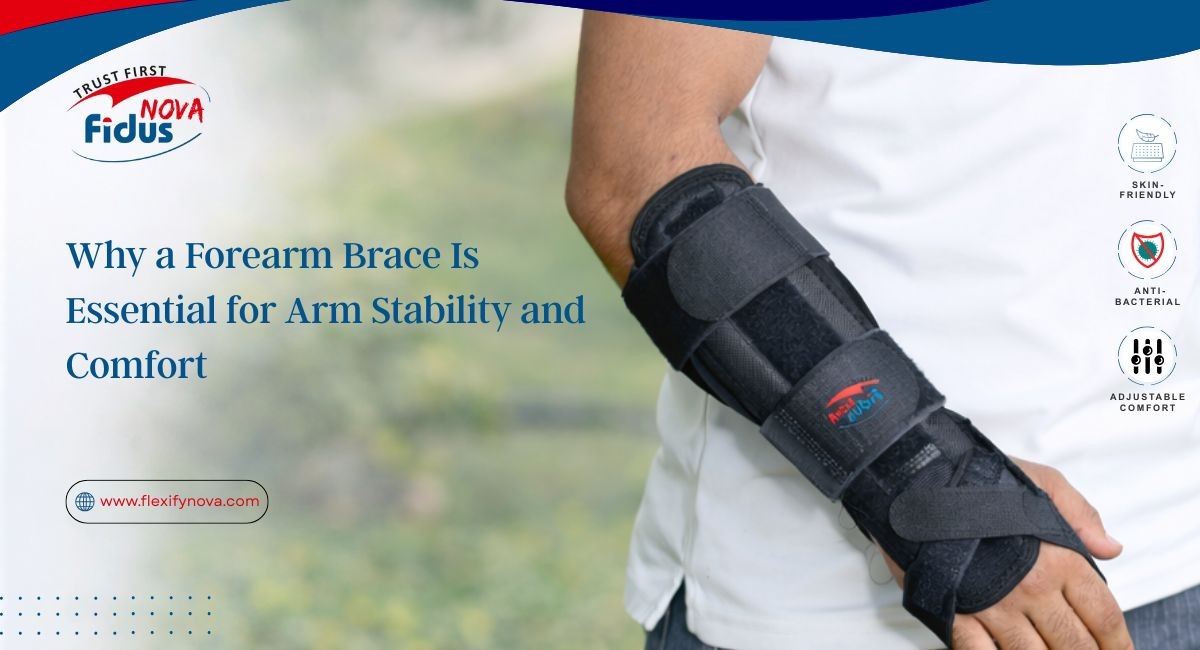
Forearm injuries are more common than you might think. Whether it’s due to a fall, sports activity, repetitive strain, or an accident, conditions like fractures, sprains, and muscle pain can significantly affect your daily life. One of the most effective ways to manage these injuries and promote healing is by using a forearm splint.
But with so many options available in the market, choosing the right forearm splint can feel overwhelming. In this comprehensive guide, we’ll help you understand everything you need to know to make the right choice for your specific condition.
What is a forearm splint?
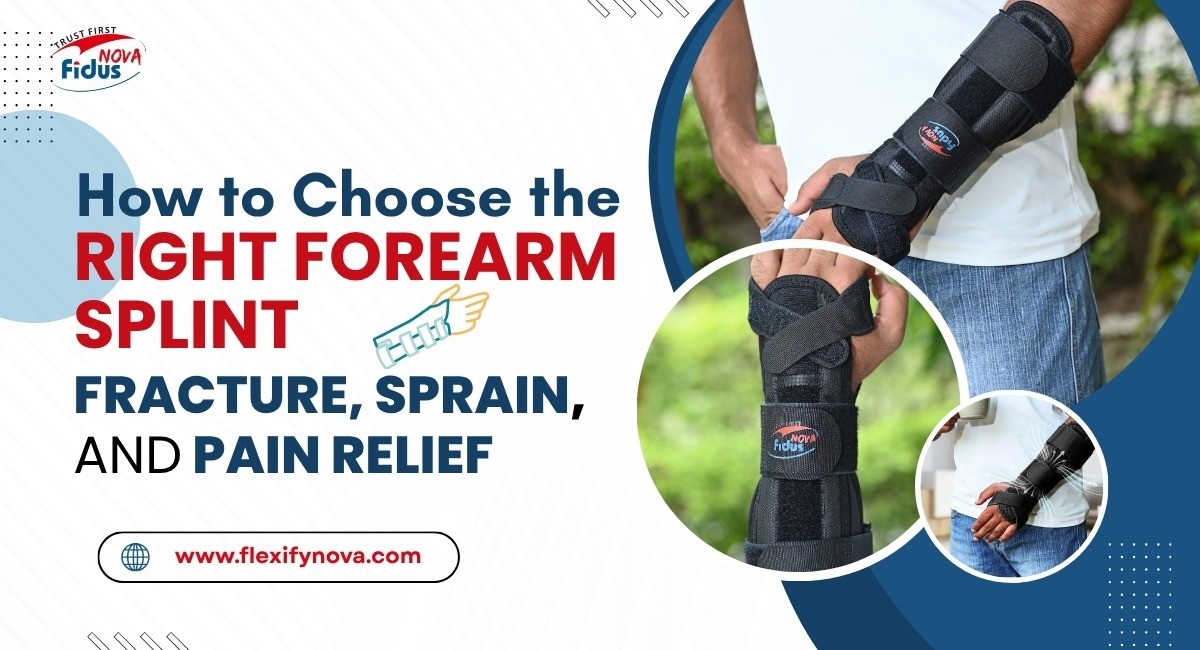
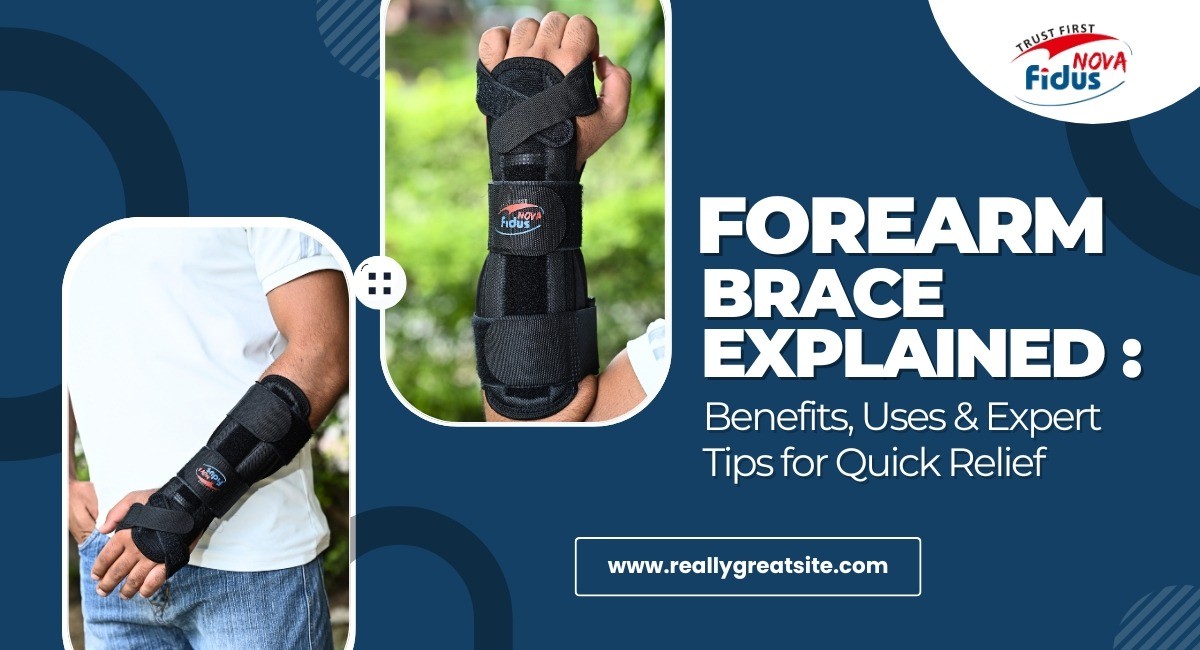
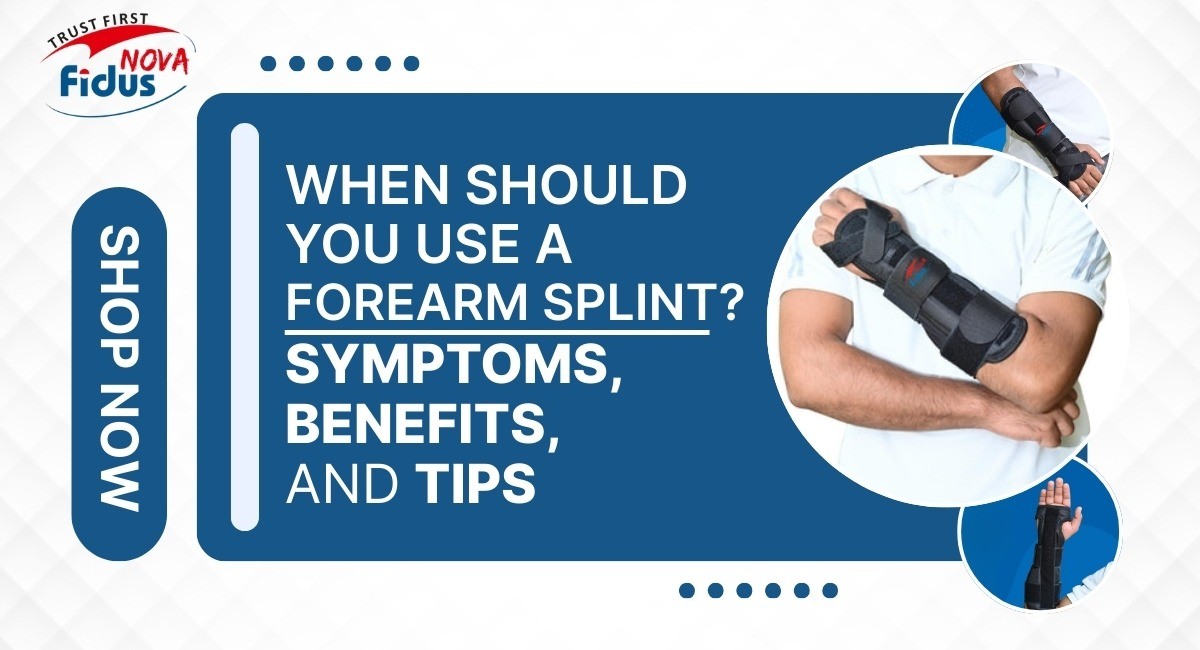
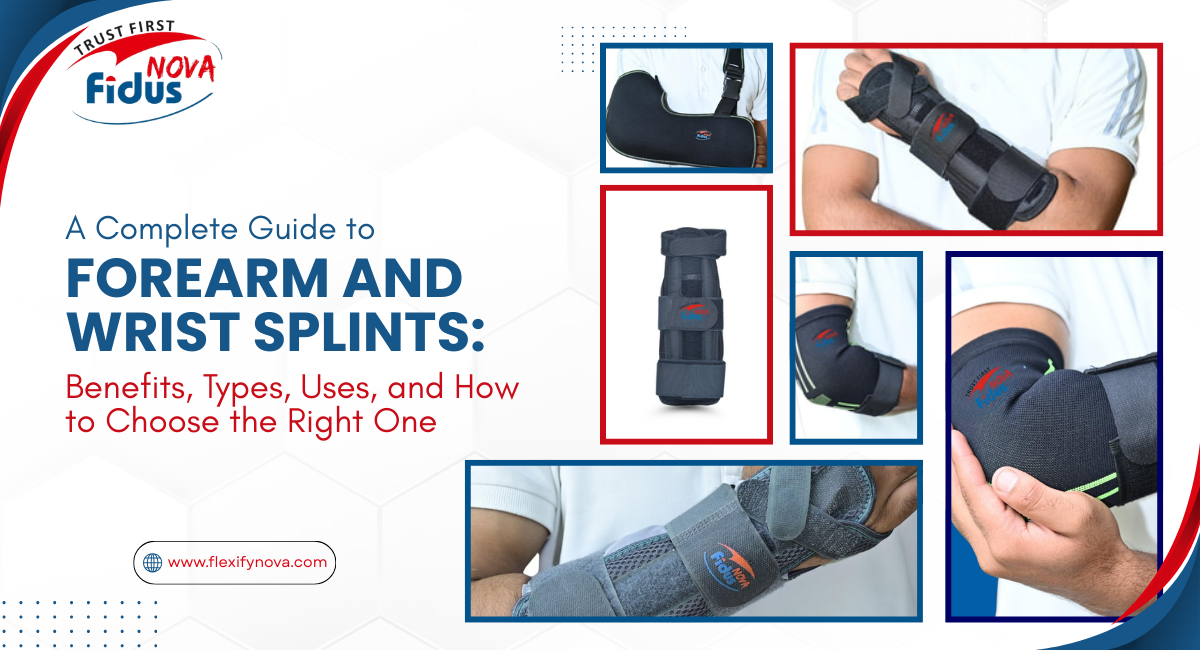
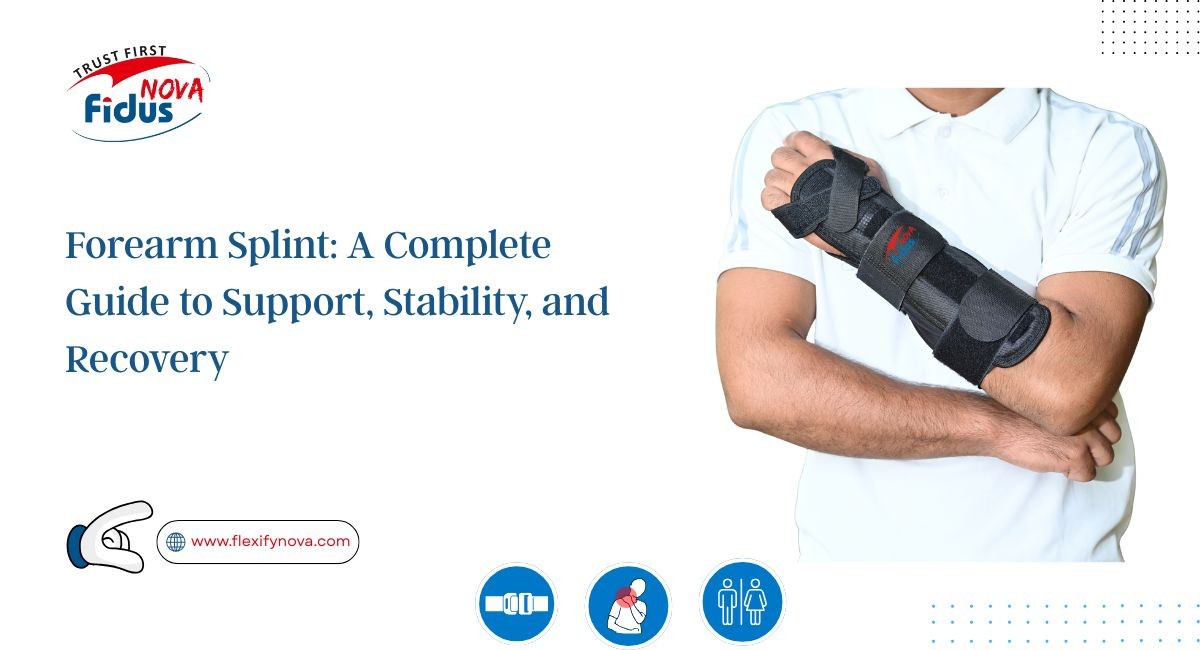
A forearm splint is a supportive medical device designed to immobilize and protect the forearm, wrist, and sometimes the hand. It helps reduce movement, minimise pain, and support proper healing after injuries like fractures, sprains, or tendon strain.
Unlike casts, splints are often adjustable and removable, making them more convenient for daily use and hygiene.
Why Do You Need a Forearm Splint?
Using a forearm splint provides multiple benefits, especially during recovery:
Immobilisation: Prevents unnecessary movement that can worsen the injury
Pain Relief: Reduces strain on muscles and joints
Faster Healing: Keeps the affected area stable
Support During Daily Activities: Allows limited safe movement
Prevents Further Damage: Protects from accidental stress or impact
Common Conditions That Require a Forearm Splint
Before choosing a splint, it’s important to understand your condition. Different injuries require different types of support.
1. Fractures
A fracture in the forearm bones (radius or ulna) often requires strong immobilization. A rigid or semi-rigid splint is usually recommended to keep the bones aligned during healing.
2. Sprains and Strains
Sprains involve ligament injuries, while strains affect muscles or tendons. These conditions require moderate support to stabilise the area without completely restricting movement.
3. Tendonitis and Overuse Injuries
Repetitive activities like typing or sports can lead to inflammation. A lightweight, flexible splint can help reduce stress and provide comfort.
4. Post-Surgery Recovery
After surgery, a splint helps maintain proper positioning and protects the healing tissues.
Types of Forearm Splints
Choosing the right type is the first step toward effective recovery.
1. Rigid Splints
Made of hard materials like plastic or metal
Provide maximum immobilization.
Best for fractures or severe injuries
2. Soft Splints
Made of fabric or elastic materials
Offer mild to moderate support
Ideal for minor sprains and pain relief
3. Volar Splints
4. Dorsal Splints
5. Adjustable Splints
Key Factors to Consider When Choosing a Forearm Splint
Selecting the right splint is not just about comfort—it directly impacts your recovery.
1. Type of Injury
Your injury determines the level of support you need:
Fracture: Go for rigid or semi-rigid splints
Sprain: Choose flexible or adjustable splints
Mild Pain: Lightweight support works best
2. Level of Support
Always match the splint’s support level with your condition. Too much rigidity can cause stiffness, while too little support may delay healing.
3. Size and Fit
A poorly fitted splint can do more harm than good. Ensure:
It fits snugly but not too tight
Allows proper blood circulation
Covers the affected area completely
4. Material and Comfort
Look for breathable, skin-friendly materials. This is especially important if you need to wear the splint for long hours.
5. Adjustability
Adjustable straps help you:
6. Ease of Use
Choose a splint that is easy to wear and remove, especially if you need frequent adjustments or cleaning.
7. Doctor’s Recommendation
Always consult a healthcare professional before making a final choice, especially for fractures or severe injuries.
How to Use a Forearm Splint Properly
Even the best splint won’t help if it’s not used correctly.
Wear as advised: Follow your doctor’s instructions on duration
Check tightness: It should not cut off circulation
Keep it clean: Maintain hygiene to avoid infections
Avoid overuse: Don’t rely on it longer than necessary
Tips for Faster Recovery
Using a forearm splint is just one part of the healing process. Here are additional tips:
1. Rest Your Arm
Avoid activities that strain your forearm.
2. Apply Ice Packs
Helps reduce swelling and pain, especially in the initial days.
3. Elevate the arm.
Keeping your arm elevated can minimise swelling.
4. Follow Physiotherapy
Once healing begins, gentle exercises help restore strength and flexibility.
5. Maintain a Healthy Diet
Nutrients like calcium and protein support bone and muscle recovery.
Common Mistakes to Avoid
Choosing the wrong type of splint
Ignoring size and fit
Wearing it too tight or too loose
Skipping medical advice
Using it longer than required
Avoiding these mistakes can significantly improve your recovery experience.
When to See a Doctor
While splints are helpful, certain symptoms require medical attention:
Don’t ignore these signs, as they may indicate complications.
Final Thoughts
Choosing the right wrist and forearm splint is essential for effective healing and long-term comfort. Whether you’re dealing with a fracture, sprain, or simple muscle pain, the right splint can make a huge difference in your recovery journey.
Focus on factors like injury type, support level, comfort, and fit before making your decision. Most importantly, always seek professional advice to ensure you’re using the right support for your condition.
A well-chosen forearm splint not only speeds up recovery but also helps you return to your daily activities with confidence and ease.