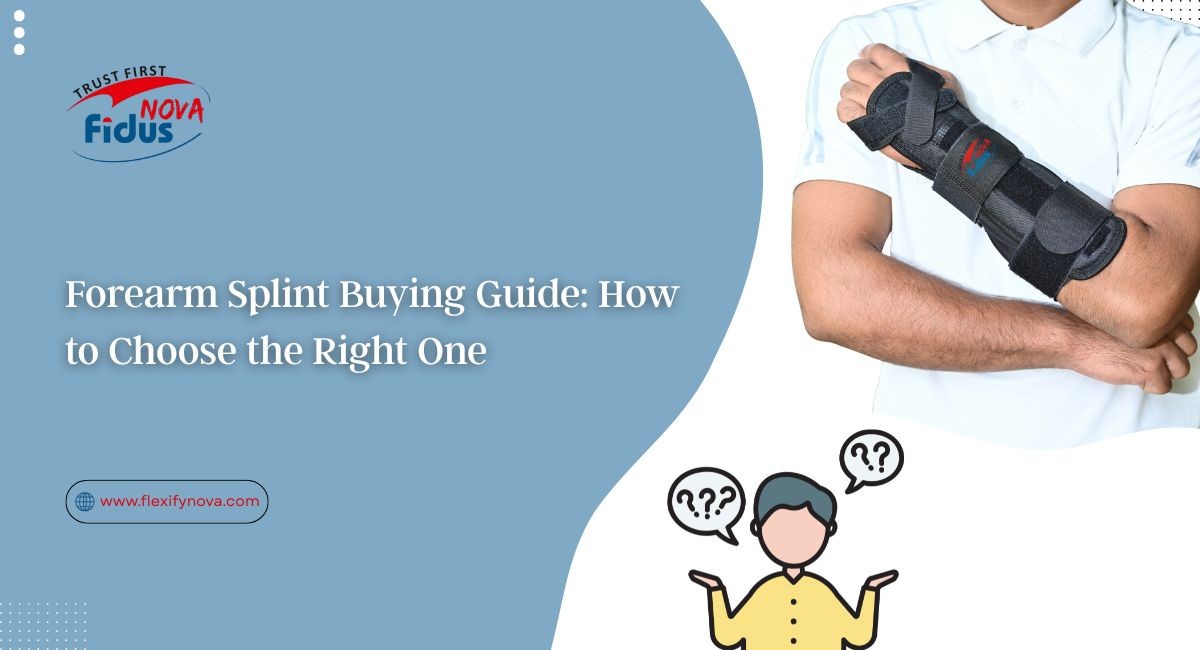
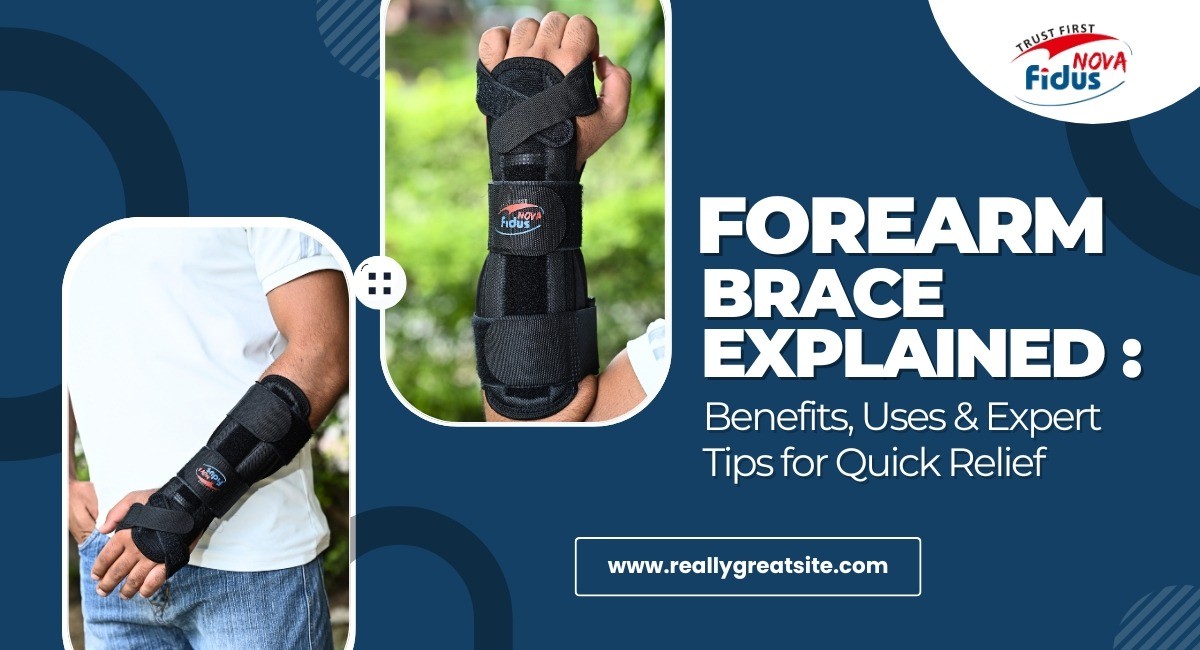
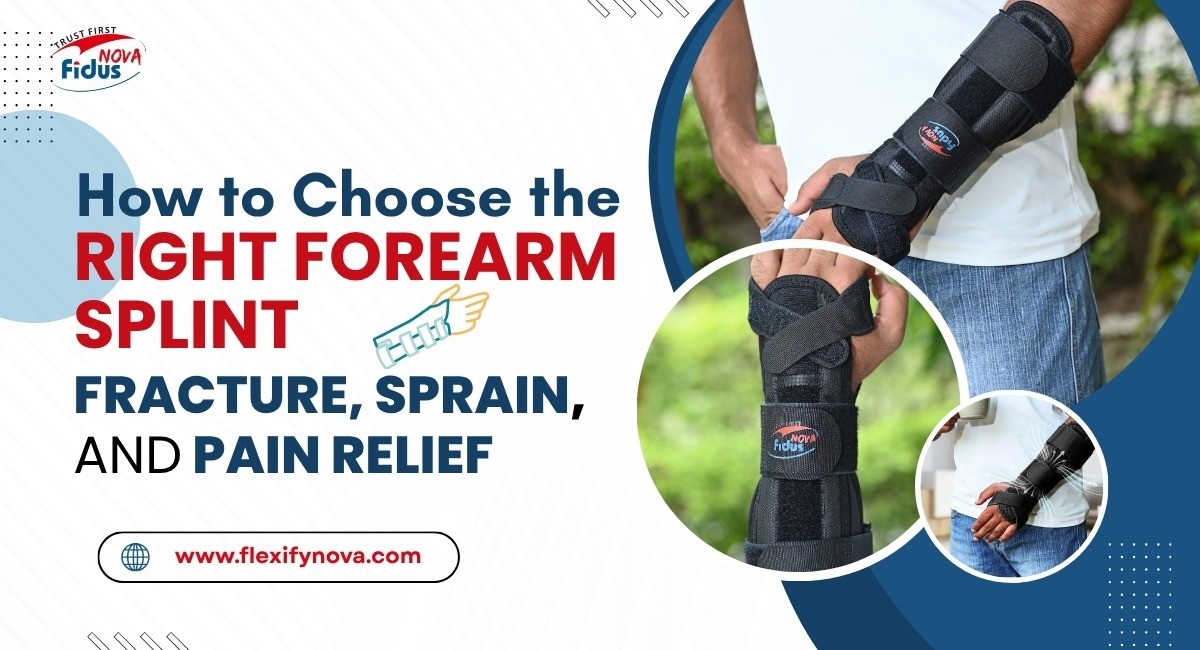
Injuries, repetitive strain, or post-surgical recovery involving the forearm can significantly impact daily life. From typing and lifting to simple tasks like eating or driving, the forearm plays a crucial role in almost every movement of the upper limb. This is where a forearm splint becomes an essential support tool. Choosing the right forearm splint is not just about comfort—it directly affects healing speed, pain management, and long-term recovery.
This comprehensive Forearm Splint Buying Guide will help you understand different types of forearm splints, their uses, key features to look for, and how to select the perfect one based on your condition and lifestyle.
What Is a Forearm Splint?
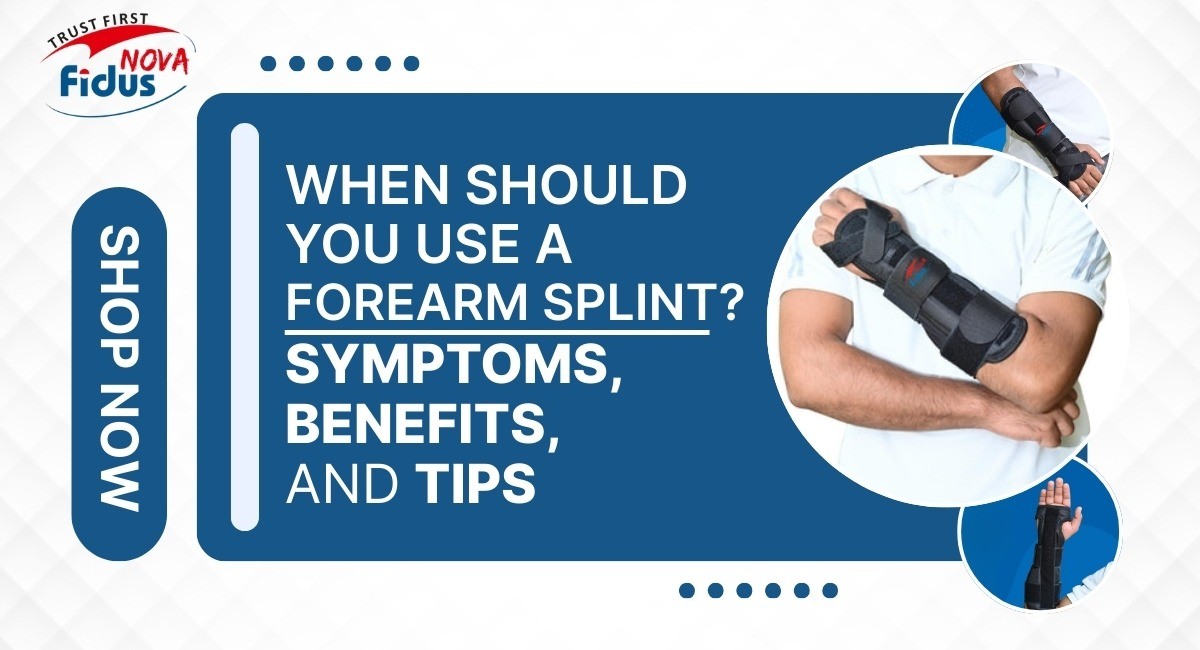
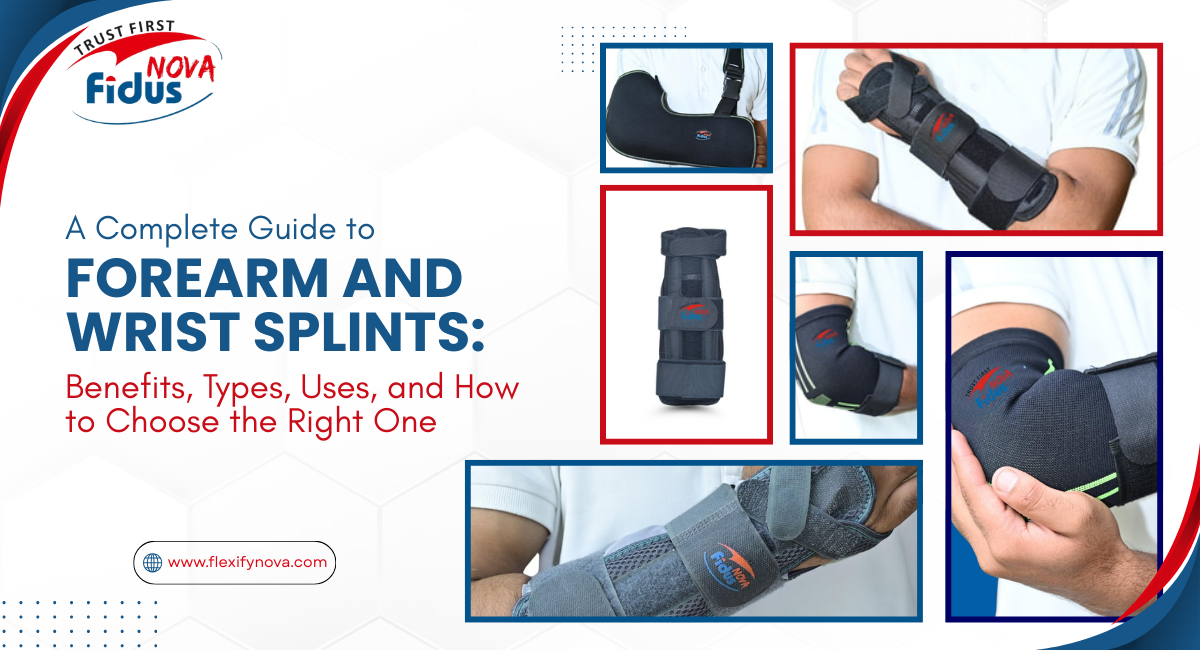
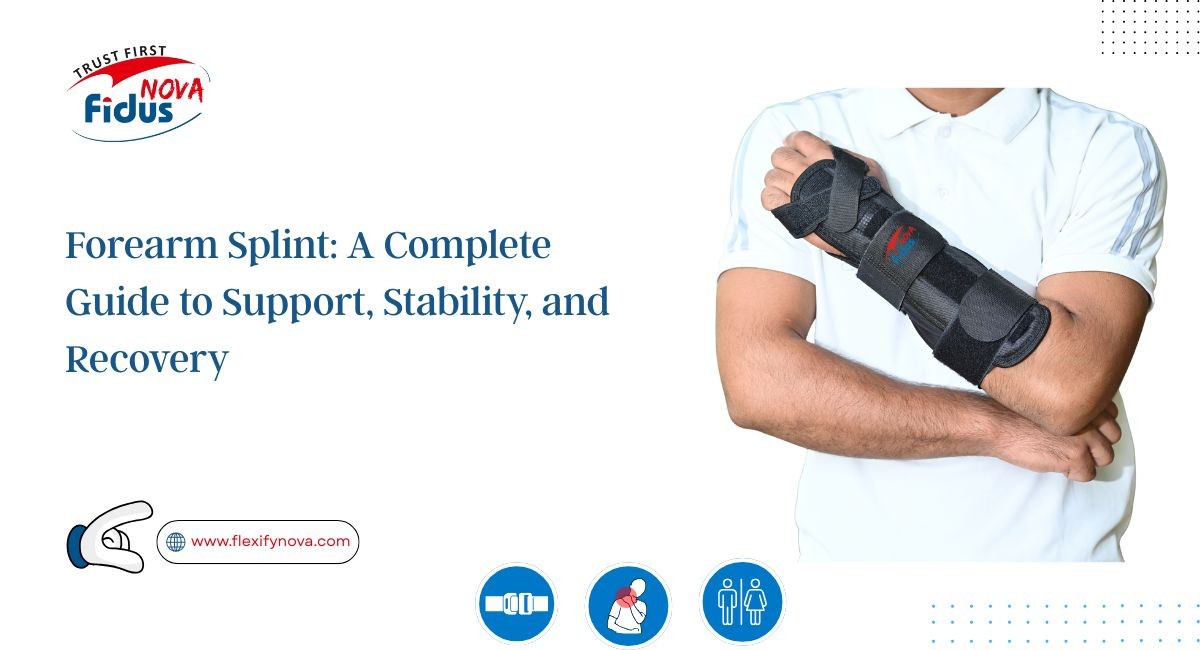
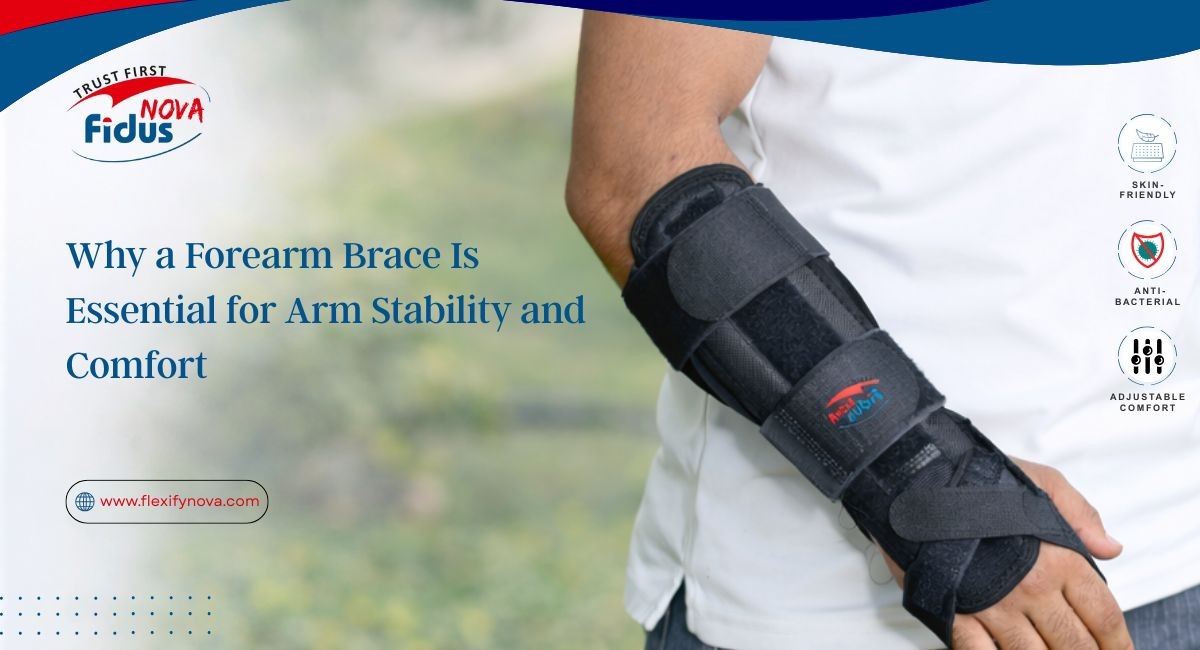
A forearm splint is an orthopedic support device designed to stabilize, immobilize, or protect the forearm, wrist, or elbow. It helps reduce pain, prevent further injury, and support healing by limiting unwanted movement. Forearm splints are commonly used for fractures, sprains, tendon injuries, nerve compression, post-surgical recovery, and chronic conditions like arthritis.
When Do You Need a Forearm Splint?
You may need a forearm splint if you experience:
Forearm fractures or stress fractures
Tendonitis or repetitive strain injuries (RSI)
Wrist or elbow sprains
Post-operative immobilization
Nerve conditions like carpal tunnel syndrome
Sports injuries
Arthritis-related pain and inflammation
Always consult a healthcare professional before choosing a splint, especially for severe injuries.
Types of Forearm Splints
Understanding the different types of forearm splints is the first step toward making the right purchase.
1. Volar Forearm Splint
A volar splint supports the palm side of the forearm and wrist. It is commonly used for soft tissue injuries, fractures, and post-surgical care.
Best for:
- Wrist and forearm fractures
- Tendon injuries
- Post-operative immobilization
2. Dorsal Forearm Splint
This splint supports the backside of the forearm and wrist and allows better palm movement.
Best for:
- Extensor tendon injuries
- Burns or wounds on the palm side
- Swelling management
3. Ulnar Gutter Forearm Splint
Designed to support the ulnar side of the forearm and hand, this splint is commonly used for ring and little finger injuries.
Best for:
Boxer’s fractures
Ulnar nerve injuries
Finger and metacarpal fractures
4. Sugar-Tong Forearm Splint
This splint wraps around the forearm, restricting rotation and wrist movement.
Best for:
- Acute forearm fractures
- Severe sprains
- Temporary immobilization before casting
Key Factors to Consider When Buying a Forearm Splint
Choosing the right forearm splint depends on several important factors:
1. Type of Injury or Condition
Different injuries require different levels of support. Mild sprains may need flexible splints, while fractures require rigid or semi-rigid immobilization.
Tip: Always match the splint type to your diagnosis.
2. Size and Fit
- A poorly fitted splint can delay healing and cause discomfort.
- Measure forearm length and circumference
- Choose adjustable straps for a custom fit
- Ensure the splint is snug but not tight
3. Material and Comfort
Look for breathable, skin-friendly materials to prevent irritation.
- Common materials include:
- Neoprene for flexibility
- Aluminum or plastic stays for rigidity
- Foam padding for comfort
4. Level of Immobilization
Splints range from soft supports to rigid immobilizers.
- Soft splints: Light support and pain relief
- Semi-rigid splints: Moderate stability
- Rigid splints: Maximum immobilization
Choose based on doctor recommendations and injury severity.
5. Ease of Use
A good forearm splint should be easy to put on and remove, especially for elderly users or post-surgery patients.
Look for:
- Velcro straps
- Lightweight design
- Simple adjustment mechanism
6. Daily Activity Compatibility
If you need to wear the splint for extended periods, ensure it doesn’t restrict essential activities like typing, driving, or sleeping.
Medical vs. Ready-Made Forearm Splints
- Custom-Made Splints
- Designed specifically for your arm
- Higher cost
- Best for complex injuries
Ready-Made Splints
- Easily available
- Affordable
- Suitable for most common injuries
How Long Should You Wear a Forearm Splint?
Wearing duration depends on the injury type and severity. Some splints are worn for a few days, while others may be required for several weeks. Always follow your doctor’s guidance to avoid stiffness or muscle weakness.
Maintenance and Care Tips
- Keep the splint clean and dry
- Wash removable covers regularly
- Check for signs of skin irritation
- Replace worn-out straps or padding
Common Mistakes to Avoid
- Choosing the wrong splint type
- Wearing the wrong size
- Overtightening straps
- Ignoring medical advice
- Using a damaged or worn-out splint
When to Consult a Doctor
- Seek medical attention if you experience:
- Increased pain or swelling
- Numbness or tingling
- Skin discoloration
- Reduced blood circulation
Final Thoughts
Choosing the right forearm splint plays a vital role in effective injury management and faster recovery. By understanding your injury, selecting the correct type, ensuring proper fit, and focusing on comfort and usability, you can significantly improve healing outcomes.
Whether you’re recovering from a fracture, managing chronic pain, or preventing further injury, this Forearm Splint Buying Guide empowers you to make an informed and confident decision. Always prioritize medical advice and quality when investing in orthopedic support—your recovery depends on it.