Arm injuries—whether caused by sports, accidents, falls, or repetitive strain—are far more common than most people realize. From minor sprains to fractures and post-surgical recovery, the upper limb is vulnerable because it is constantly in use. Yet, despite how essential proper care is for healing, many patients underestimate the importance of using the right support device.
One such essential support is the pouch arm sling. Lightweight, easy to use, and highly effective, a pouch sling offers critical support that can significantly improve the healing process. It is recommended by orthopedic doctors, physiotherapists, and trauma specialists for a wide range of injuries because of its ability to immobilize, protect, and reduce pressure on the arm.
In this blog, we’ll explore why every patient with an arm injury should consider a pouch arm sling, how it works, and what benefits it provides during recovery.
What Is a Pouch Arm Sling?
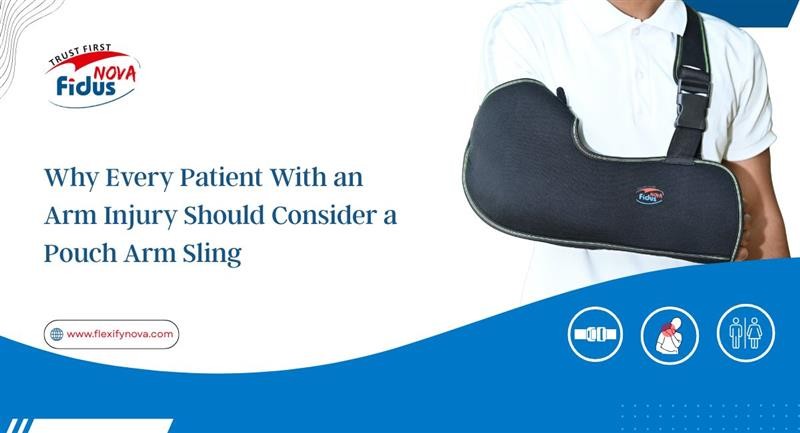
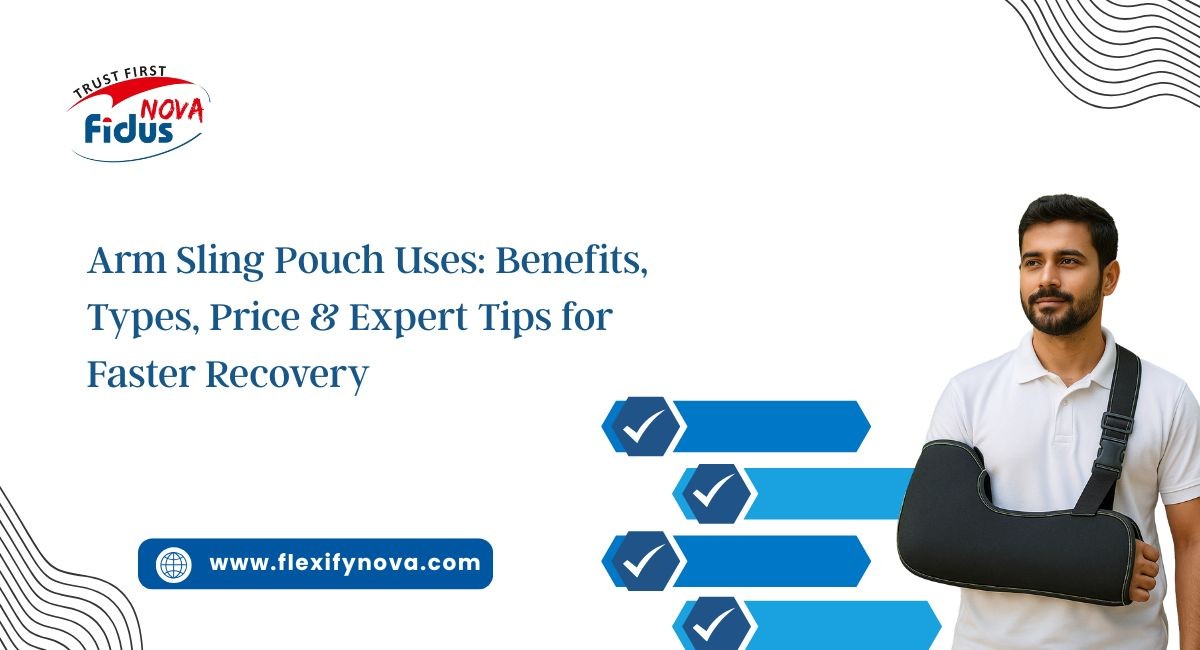
A pouch arm sling is an orthopedic support device designed to hold the arm in a comfortable and stable position. Unlike traditional slings, which may involve complex wrapping or stiff materials, a pouch sling is:
Soft and cushioned, offering comfort even during long hours of wear.
Easy to wear, with adjustable straps that allow a customized fit.
Supportive, keeping the arm gently immobilized close to the body.
It works by distributing the weight of the injured arm across the shoulder and upper body, reducing strain on the injury site.
Why Support Is Critical After an Arm Injury
After an injury, the arm needs rest and protection. Whether dealing with a fracture, ligament tear, muscle strain, or post-operative pain, the primary goal is to:
- Prevent further damage
- Stabilize the injury
- Reduce pain and swelling
- Allow proper healing
Without adequate support, even small movements can aggravate the injury. This can delay recovery, increase discomfort, and in severe cases, lead to long-term complications.
A pouch arm sling ensures that the arm stays in the right position at all times, especially during daily activities when unintentional movement is more likely.
Top Benefits of Using a Pouch Arm Sling
1. Provides Effective Immobilization
One of the most important aspects of recovery is immobilization. When the arm moves unnecessarily, ligaments, tendons, and bones cannot heal properly.
- A pouch arm sling:
- Keeps the arm close to the body
- Prevents accidental jerks or sudden motion
- Offers consistent immobilization without stiffness
Unlike rigid supports, it provides immobilization while maintaining comfort, making it suitable for extended use.
2. Reduces Pain and Discomfort
When you support the arm properly, pain levels drop significantly. A pouch arm sling reduces discomfort by:
- Taking the weight off the injury
- Preventing muscle fatigue
- Reducing tension in the shoulder and neck
Patients often report immediate relief after wearing the sling correctly, especially after a fresh injury or surgery.
3. Allows Better Healing Alignment
Healing alignment is crucial. Doctors often emphasize correct positioning because the wrong angle or posture can affect bone fusion or muscle repair.
- A pouch arm sling ensures that the arm stays:
- At the correct elevation
- In a natural resting position
- Supported uniformly
This prevents swelling, promotes circulation, and helps tissues heal in the proper direction.
4. Adds Protection During Daily Activities
Life doesn’t stop after an injury. Whether walking, commuting, or moving around the house, there is always a risk of bumping or hitting the injured arm.
A pouch arm sling acts as a protective shield, reducing the chances of:
- Accidental knocks
- Overstretching the arm
- Falls or imbalance due to improper posture
It also signals to people around you that your arm is injured, encouraging them to be cautious.
5. Aids in Post-Surgical Recovery
After arm or shoulder surgery—such as rotator cuff repair, fracture fixation, or ligament reconstruction—the doctor may prescribe a sling to stabilize the area.
A pouch sling:
- Protects delicate surgical sites
- Minimizes strain on sutures
- Prevents unnecessary stretching of healing tissues
- Supports safer and faster post-operative recovery
For many surgeries, wearing a sling is not optional—it is essential.
6. Lightweight, Comfortable, and Easy to Wear
Modern pouch arm slings are designed with the patient’s comfort in mind. Key features include:
- Breathable fabric
- Adjustable straps
- Soft padding
- Lightweight frame
This makes them ideal for long hours of use—even for children and elderly patients.
7. Improves Posture and Reduces Shoulder Fatigue
An injured arm often pulls the shoulder downward, creating imbalance. This leads to:
- Neck pain
- Upper back stiffness
- Shoulder fatigue
A pouch arm sling evenly redistributes the weight, helping the shoulder maintain a healthy position. This reduces secondary complications that commonly arise during recovery.
Who Should Use a Pouch Arm Sling?
A pouch arm sling is recommended for a wide range of conditions, including:
- Forearm fractures
- Wrist fractures
- Shoulder dislocations
- Clavicle (collarbone) injuries
- Sprains and strains
- Post-cast support
- Post-surgical immobilization
- Rotator cuff injuries
- Elbow injuries
From minor trauma to major surgical procedures, the sling offers universal support for nearly any type of upper limb injury.
How to Wear a Pouch Arm Sling Correctly
Wearing the sling properly is just as important as wearing it at all.
Here is a simple guide:
Place your arm inside the Arm Sling Pouch, ensuring the elbow fits snugly into the back corner.
- Adjust the strap, ensuring the hand is slightly elevated above the elbow.
- Check comfort and support—you should feel relief, not strain.
- Make sure your fingers remain exposed, allowing blood circulation to flow normally.
- Ensure the sling is not too tight, as this can cause numbness or swelling.
- If you're unsure, ask your doctor or physiotherapist to help you fit it correctly.
Common Mistakes to Avoid
Even useful medical supports can be ineffective if used incorrectly. Avoid these mistakes:
- Wearing the sling too loose
- Letting the arm hang too low
- Using it only occasionally instead of consistently
- Adjusting the strap incorrectly
- Sleeping without proper arm support
- Correct usage ensures you get maximum benefits.
- When to Stop Using a Pouch Arm Sling
Although slings are helpful, they should not be used indefinitely. Long-term immobilization can lead to stiffness or reduced range of motion. Your doctor may advise you to:
- Remove it during mild physiotherapy exercises
- Gradually reduce usage as healing progresses
- Stop using it once your arm regains strength and stability
- Always follow professional medical advice regarding duration.
Final Thoughts
A pouch arm sling is far more than just a simple fabric support—it is a vital medical aid that ensures proper healing, stability, and comfort during arm injury recovery. Whether you are dealing with a fracture, sprain, strain, or post-surgical pain, a Arm Pouch Sling can make a significant difference in how quickly and successfully you heal.
Its ease of use, affordability, and effectiveness make it a must-consider option for every patient recovering from an arm injury. If your doctor recommends one, don’t take it lightly—using a pouch arm sling might be the key to restoring your arm’s functionality safely and efficiently.